Evidence-based · GLP-1 & Metabolic

"Ozempic Face": Facial Aging and Rapid Fat Loss
"Ozempic face" isn't a drug side effect in the pharmacological sense — it's what happens to facial volume when anyone loses weight quickly. Here's the actual mechanism and what can be done about it.
Part ofThe GLP-1 Guide→“Ozempic face” became a tabloid staple almost as fast as the drug itself, describing the hollowed, aged look some people notice after losing a lot of weight on semaglutide. The name is misleading. The phenomenon has nothing to do with what semaglutide does to a receptor and everything to do with what happens to a face that loses fat quickly, from any cause.
What people mean by “Ozempic face”
The term, popularized by a New York dermatologist in 2022, refers to a cluster of changes: sunken cheeks, more visible nasolabial folds, hollow temples, and skin that looks looser relative to the bone underneath. It’s a description of an appearance, not a diagnosis, and it isn’t unique to semaglutide (Ozempic, Wegovy) — the same look has been described for years after bariatric surgery, extreme dieting, and any other route to fast, substantial weight loss.
Why the face changes shape
The face carries several distinct pockets of subcutaneous fat — in the cheeks, temples, and around the jaw — that sit as discrete compartments rather than one continuous layer. Anatomical work on these facial fat pads (going back to Rohrich and Pessa’s widely cited compartment mapping) helps explain why faces age and change shape the way they do: those pads provide volume and a smooth contour, and they shrink along with fat everywhere else in the body during weight loss. A face that’s 10-15% smaller in fat volume can look noticeably different, because facial fat does a lot of the work of looking “youthful” — it fills hollows, softens the transition between cheek and jaw, and supports skin from underneath.
When that support disappears quickly, skin that was previously stretched over a fuller face doesn’t always retract at the same pace. The result is a look that can read as sudden aging, even in people who are, by every metabolic measure, healthier than before.
Is this specific to GLP-1 drugs?
Not really. GLP-1 receptor agonists like semaglutide and tirzepatide are simply very effective at producing the kind of large, fast weight loss that used to be rarer outside of bariatric surgery. In the STEP 1 trial (Wilding et al., NEJM 2021), participants on semaglutide lost roughly 15% of body weight on average over 68 weeks — a substantial and clinically meaningful amount, and also enough to visibly change facial contour in many people. Older case reports and clinical observations describe similar facial hollowing after rapid weight loss from any cause, including crash dieting and bariatric surgery, long before GLP-1 drugs existed. What’s different now is the sheer number of people losing weight quickly at the same time, which is why the pattern is getting noticed and named.
“Ozempic face” isn’t the drug doing something unusual to your skin — it’s ordinary fat loss happening faster and more completely than most people’s faces are used to.
What actually helps
There’s no controlled trial testing interventions specifically against “Ozempic face” — the evidence here is extrapolated from general weight-loss and dermatology literature, not drug-specific research. With that caveat, a few levers have reasonable support:
- Slower rate of loss. Where a taper is medically appropriate, giving skin and soft tissue more time to adjust tends to produce a less abrupt change in appearance than the fastest possible loss.
- Adequate protein intake. Preserving lean mass — rather than losing a mix of fat and muscle — is associated with better-maintained tissue support and is a standard recommendation during any GLP-1 taper, not just for facial appearance.
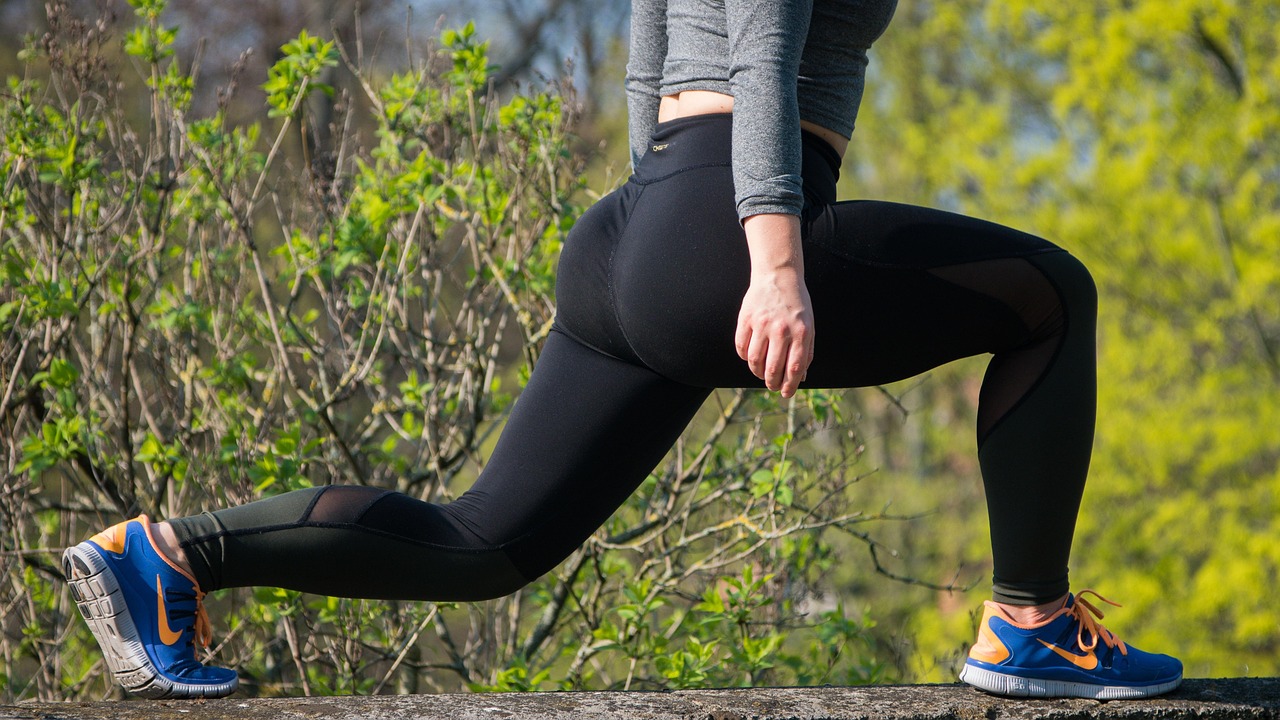
- Resistance training. Strength training during weight loss is consistently linked to better lean-mass retention in clinical studies of GLP-1 therapy and calorie restriction generally, which may modestly soften the visual effect of fat loss, though facial-specific data doesn’t exist.
- Hydration and basic skin care. Neither reverses volume loss, but well-hydrated skin has somewhat better elasticity, which may make the transition look less dramatic.
- Dermatologic options. Fillers, skin-tightening procedures, and similar treatments are marketed heavily around this exact complaint. Some can restore volume or improve skin laxity in the hands of an experienced provider, but they carry their own costs, risks, and maintenance requirements, and none of this is FDA-evaluated specifically for “Ozempic face” as an indication. This is a personal and cosmetic decision, not a medical necessity, and it’s worth treating any provider’s claims here with the same skepticism applied to the drugs themselves.
| Approach | What it addresses | Evidence strength |
|---|---|---|
| Slower weight-loss rate | Gradual soft-tissue adaptation | Extrapolated from general weight-loss data |
| Higher protein intake | Lean mass preservation | Reasonably well supported in GLP-1 literature |
| Resistance training | Lean mass preservation | Reasonably well supported |
| Hydration/skin care | Skin elasticity, marginal | Weak, largely anecdotal |
| Fillers/dermatologic procedures | Restoring lost volume directly | Cosmetic outcomes only; not disease-specific evidence |
The takeaway
Facial hollowing after major weight loss is a real, visible, and fairly predictable consequence of losing fat — not a unique hazard of semaglutide or any other GLP-1 drug. It’s the same trade-off that comes with any large body-composition change, and for most people the health benefits of losing excess weight outweigh a change in facial contour. Anyone concerned about the pace or degree of their weight loss, or considering cosmetic treatment for it, should talk to the clinician managing their care rather than relying on marketing claims from either side of the debate.
Sources
- Wilding JPH, et al. Once-Weekly Semaglutide in Adults with Overweight or Obesity (STEP 1). N Engl J Med 2021.
- Rohrich RJ, Pessa JE. The fat compartments of the face: anatomy and clinical implications for cosmetic surgery. Plast Reconstr Surg. 2007.
- FDA. Ozempic (semaglutide) prescribing information.
- American Academy of Dermatology Association. How weight loss affects your skin.
Stay current
Get evidence-based briefings in your inbox.