Evidence-based · Recovery
Sauna vs Cold Plunge: Which for What
Heat and cold both get marketed as universal recovery tools. The evidence says they're not interchangeable — and cold right after a lifting session can work against you.
Part ofThe Recovery Guide→Sauna and cold plunge get sold as interchangeable recovery upgrades — pick whichever tub or booth is available. They aren’t interchangeable. Heat and cold trigger different physiological cascades, and one of them, used at the wrong time, can quietly undercut the training adaptations you’re trying to build.
What sauna exposure actually does
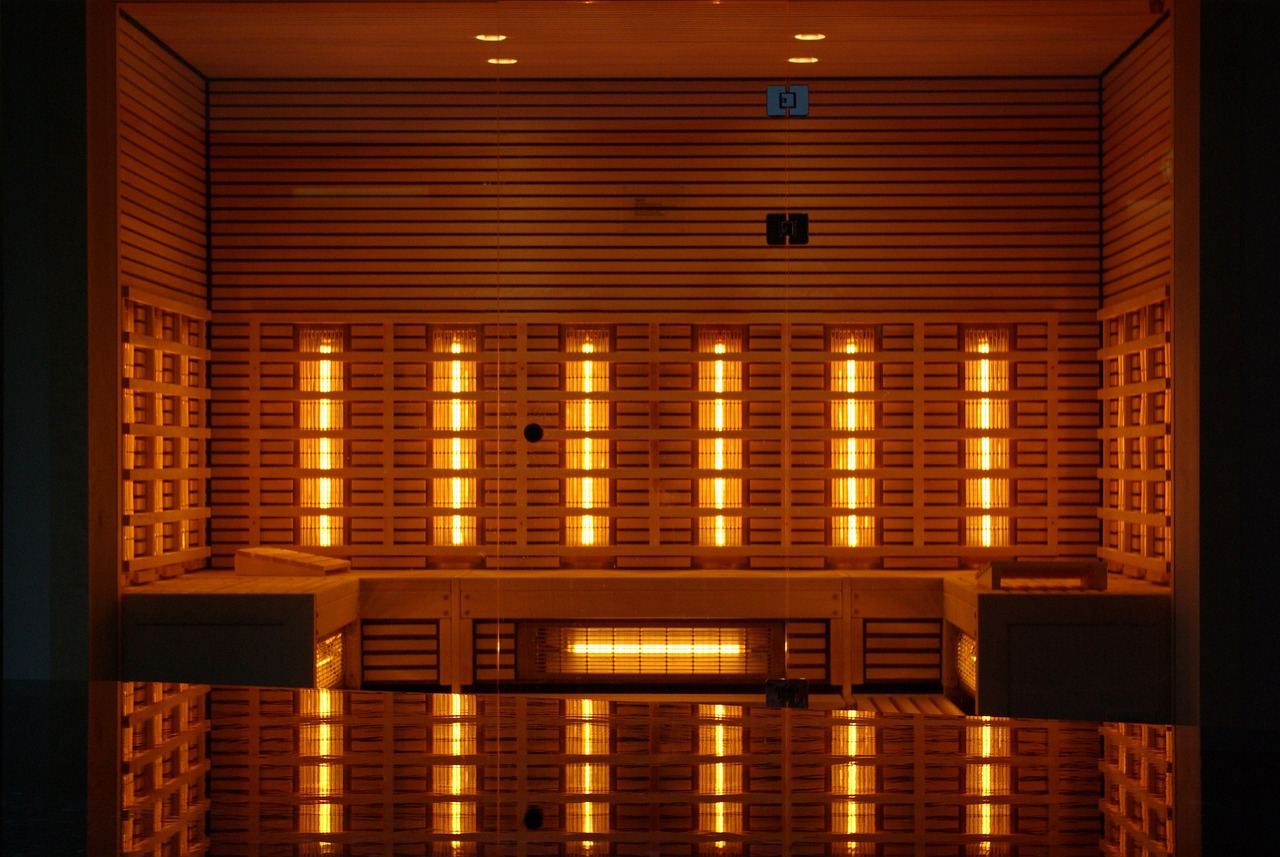
Repeated heat exposure raises core temperature, heart rate, and skin blood flow in a pattern that resembles moderate aerobic exercise. Over weeks, that stress produces measurable cardiovascular adaptations: improved vascular function, small reductions in blood pressure, and — in athletes — modest increases in plasma volume that can support endurance performance.
The most cited human data on sauna comes from Finland, where sauna bathing is a near-universal habit. A large prospective cohort followed by Laukkanen and colleagues found that more frequent and longer sauna sessions were associated with lower rates of fatal cardiovascular events and all-cause mortality. That’s a genuinely interesting signal, but it’s observational: frequent sauna users in Finland may also be healthier, wealthier, or more socially connected in ways researchers can’t fully strip out. No randomized trial has tested “assign people to sauna vs. no sauna” and followed them for mortality, because that trial isn’t realistic to run. Treat the mortality association as suggestive of a real effect, not proof of one.
For recovery specifically, sauna’s case is more about subjective relaxation and parasympathetic wind-down than about accelerating muscle repair. There isn’t strong evidence that heat exposure speeds strength or hypertrophy adaptations the way cold has been shown to interfere with them.
What cold plunge actually does
Cold-water immersion (CWI) constricts blood vessels, blunts nerve conduction velocity, and produces a strong, fast reduction in perceived soreness. That effect on the delayed-onset muscle soreness (DOMS) people feel a day or two after hard training is fairly consistent across studies, which is why cold tubs are ubiquitous in team-sport locker rooms during congested competition schedules.
Where the evidence gets weaker is inflammation at the tissue level. Perceived soreness and actual inflammatory/immune markers don’t move in lockstep, and a Cochrane review of cold-water immersion for muscle soreness concluded the evidence is generally low quality, with real but modest effects on soreness and inconsistent effects on strength or function recovery. Cold plunge helps you feel less sore. Whether it meaningfully speeds the underlying repair process is much less clear.
The timing problem: cold right after lifting
This is the part that gets left out of most recovery content. A frequently cited study by Roberts and colleagues had trainees perform lower-body resistance training and then either sit in cold water or at room temperature afterward, repeated over several weeks. The cold-water group showed smaller gains in strength and muscle mass, along with blunted activation of the cellular signaling pathways (notably mTOR-related pathways) that drive hypertrophy, compared with the group that didn’t immerse.
The likely mechanism: the inflammatory response to resistance training isn’t purely a nuisance to be suppressed — it’s part of the signal that tells muscle to adapt. Icing that signal away right after the stimulus may reduce soreness at the cost of some of the adaptation you were training for.
If the goal is maximizing strength or muscle growth, icing immediately after a lifting session is probably working against you, not for you.
This doesn’t mean cold plunge is bad — it means timing and goal determine whether it helps or hurts. Same-day cold exposure hours after training, or cold used mainly during a competition block where next-day performance matters more than long-term adaptation, is a different calculation than jumping in a tub 10 minutes after your last set of squats during a hypertrophy-focused training phase.

Which for what
| Goal | Better fit | Caveat |
|---|---|---|
| Reduce next-day soreness before a competition or event | Cold plunge | Effect on actual tissue damage is weaker than the effect on how sore you feel |
| Maximize strength/hypertrophy from a training block | Neither immediately post-lift; avoid cold right after | Cold within ~a few hours of resistance training may blunt signaling; separate cold sessions from training by hours if you use them at all |
| General relaxation, stress down-regulation | Sauna | Effects are more about subjective wellbeing and cardiovascular stress adaptation than direct muscle recovery |
| Cardiovascular health over months/years | Sauna, several sessions weekly | Best evidence is observational (Finnish cohorts); causality isn’t proven |
| In-season recovery between closely spaced competitions | Cold plunge, used short-term | Trade-off: less soreness now, at some possible cost to long-term adaptation if used every session |
The takeaway
Heat and cold aren’t competing for the same job. Sauna’s strongest case is cardiovascular and subjective; cold plunge’s strongest case is short-term symptom relief, with a real cost if it’s layered onto every strength session during a hypertrophy phase. If you’re actively trying to build muscle or strength, the simplest evidence-based move is to keep cold exposure away from the hours right after lifting — save it for separate recovery days, competition weeks, or just skip it if raw adaptation is the priority. As always, anyone with cardiovascular disease, uncontrolled blood pressure, or other conditions should check with a clinician before starting either sauna or cold-immersion practice, since both impose real stress on the heart and circulation.
Sources
- Laukkanen JA, et al. Association Between Sauna Bathing and Fatal Cardiovascular and All-Cause Mortality Events. JAMA Intern Med. 2015
- Roberts LA, et al. Post-exercise cold water immersion attenuates acute anabolic signalling and long-term adaptations in muscle to strength training. J Physiol. 2015
- Bleakley CM, et al. Cold-water immersion (cryotherapy) for preventing and treating muscle soreness after exercise. Cochrane Database Syst Rev. 2012
- National Center for Complementary and Integrative Health: Saunas and Health
Stay current
Get evidence-based briefings in your inbox.