Evidence-based · Longevity

AMPK, Exercise, and Longevity
The energy-sensing enzyme behind both exercise and metformin — and why the human longevity evidence for it is still thin.
Part ofThe Longevity Guide→Inside every cell is a sensor that tracks how much energy is available and adjusts the cell’s behavior accordingly. That sensor is an enzyme called AMPK, and it sits at the center of one of the more durable stories in longevity biology. When you exercise, when you fast, and when you take metformin, AMPK is part of what responds. Understanding what it actually does helps separate the solid science from the supplement-aisle version.
What AMPK senses, and what it switches on
AMPK is short for AMP-activated protein kinase, but the function is easier than the name. It reads the ratio of “spent” to “charged” energy molecules in the cell. When energy runs low, AMPK activates and flips the cell from building mode to thrifty mode: increasing glucose uptake and fat oxidation, promoting mitochondrial biogenesis, encouraging autophagy, and dialing down energy-expensive growth signaling. That last point is why AMPK shows up in longevity discussions — it sits opposite mTOR, a growth-driving pathway, and the balance between the two is thought to influence how cells age.
The exercise connection
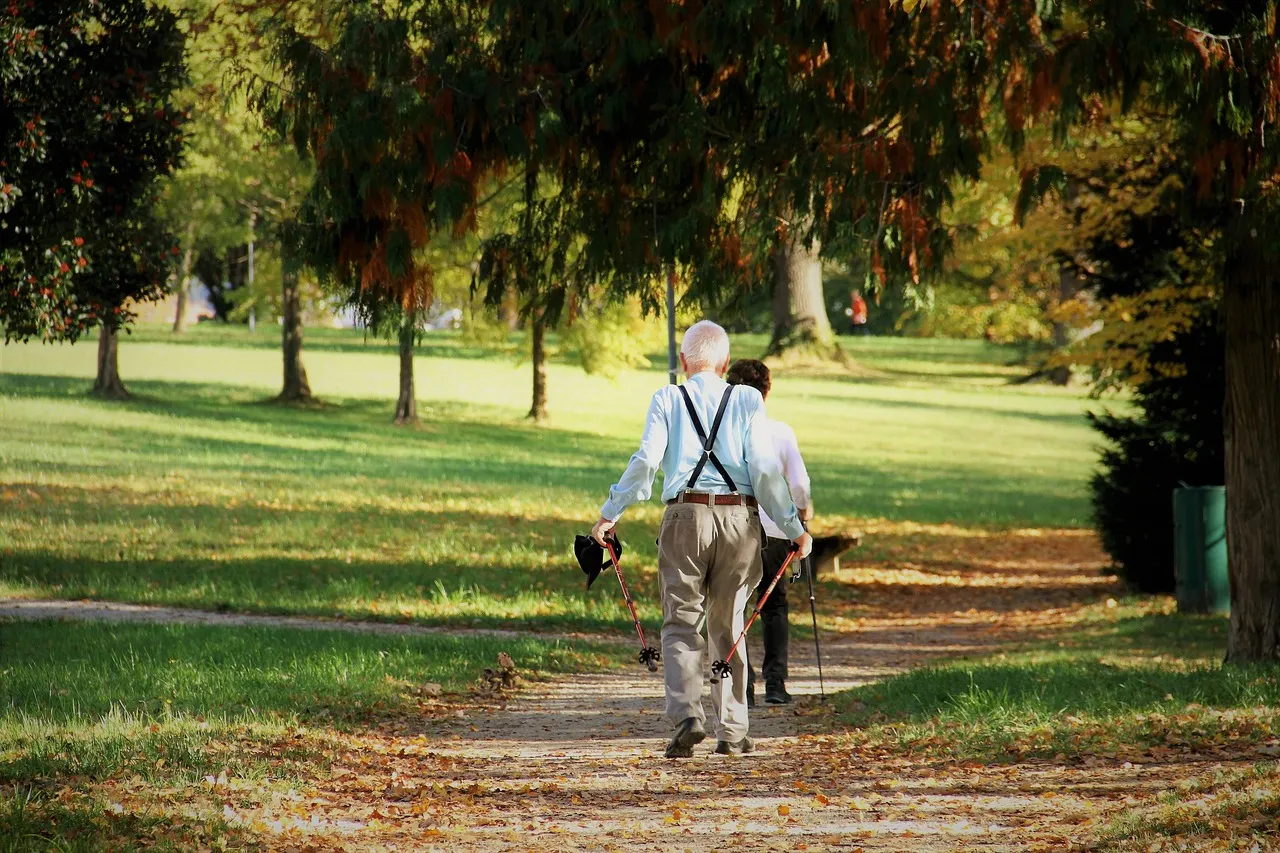
Exercise is the most reliable AMPK activator anyone has. Muscle contraction burns energy fast, the energy ratio shifts, and AMPK responds, which is part of why training improves insulin sensitivity and mitochondrial function over time.
The strongest, best-evidenced way to engage these pathways is still physical activity. No pill has matched exercise’s breadth of benefit, and the data here is not close.
Where metformin fits
Metformin, the widely used diabetes drug, activates AMPK indirectly, which is one proposed reason it has drawn interest as a potential longevity agent. The TAME (Targeting Aging with Metformin) trial was designed to test this: as described in its 2018 design paper, it plans to randomize 3,000 non-diabetic adults aged 65–79 to metformin (1,500 mg/day) or placebo for about four years, with a composite primary endpoint of major age-related diseases and death — myocardial infarction, heart failure, stroke, most cancers, cognitive impairment/dementia. It is powered to detect a 22.5% reduction in that endpoint. As of this writing it has not delivered results.
The awkward complication is that metformin may blunt the very adaptations people exercise for. In a 2019 randomized, double-blind trial published in Aging Cell, Konopka and colleagues gave 53 older adults (mean age ~62; 27 metformin, 26 placebo) 12 weeks of aerobic training. Metformin attenuated the expected improvements in cardiorespiratory fitness and skeletal-muscle mitochondrial respiration compared with placebo.
| Claim about metformin | State of the evidence |
|---|---|
| Treats type 2 diabetes | Strong, established |
| Extends healthspan in healthy people | Unproven; TAME designed to test it |
| Enhances exercise benefit | No — may modestly blunt fitness gains |
The supplement problem
Because AMPK sounds like a switch, the market sells things claiming to flip it — berberine, various plant extracts. Some do influence AMPK in cells or animals. Whether they produce meaningful longevity benefits in humans is largely unestablished, and “activates AMPK in a dish” is a long way from “helps you live healthier longer.”
A mechanism being real does not make a product effective. AMPK is real; most consumer claims built on it outrun the human evidence.
The takeaway
AMPK is a genuine node connecting energy, exercise, and metabolic health, and it helps explain the scientific curiosity around metformin — which is still being tested, not proven, for longevity, and may even interfere with exercise adaptations. What the science does not support is the leap from “AMPK matters” to “this AMPK supplement will extend your healthspan.” The best-validated AMPK strategy remains unglamorous: move your body, regularly.
Sources
References
Stay current
Get evidence-based briefings in your inbox.