Evidence-based · Longevity

Blood Pressure and Lifespan
One of the most powerful, least glamorous levers on healthy years, backed by large randomized trials. What the targets look like.
Part ofThe Longevity Guide→In a field crowded with novel compounds and biohacks, the strongest lever on healthy lifespan may be the most boring one on the list: keeping your blood pressure in a healthy range. Unlike many longevity interventions, this is not a story of suggestive associations and hopeful mechanisms. It is one of the most thoroughly studied relationships in all of medicine, supported by large randomized trials. The unglamorousness is why it is so easy to overlook.
A rare case of strong evidence
Start with scale. The Global Burden of Disease Study 2019 (published in The Lancet, 2020) found that high systolic blood pressure was the single leading risk factor for death worldwide, accounting for an estimated 10.8 million deaths, about 19% of all deaths that year. Few modifiable exposures carry that weight.
What makes blood pressure unusual is that the case isn’t only observational. Decades of randomized controlled trials have tested whether lowering it reduces hard outcomes. The landmark SPRINT trial (NEJM, 2015) randomized 9,361 high-risk adults without diabetes to a systolic target below 120 mm Hg or below 140 mm Hg. Over a median 3.26 years, the intensive group had a 25% lower rate of the primary cardiovascular composite (hazard ratio 0.75; 95% CI 0.64–0.89) and a 27% lower rate of death from any cause (HR 0.73; 95% CI 0.60–0.90). The trial was stopped early for benefit.
Among modifiable risk factors, elevated blood pressure is the largest single contributor to death worldwide, and randomized trials show that lowering it reduces heart attacks, strokes, and death. This is about as solid as preventive medicine gets.
Why pressure matters mechanistically
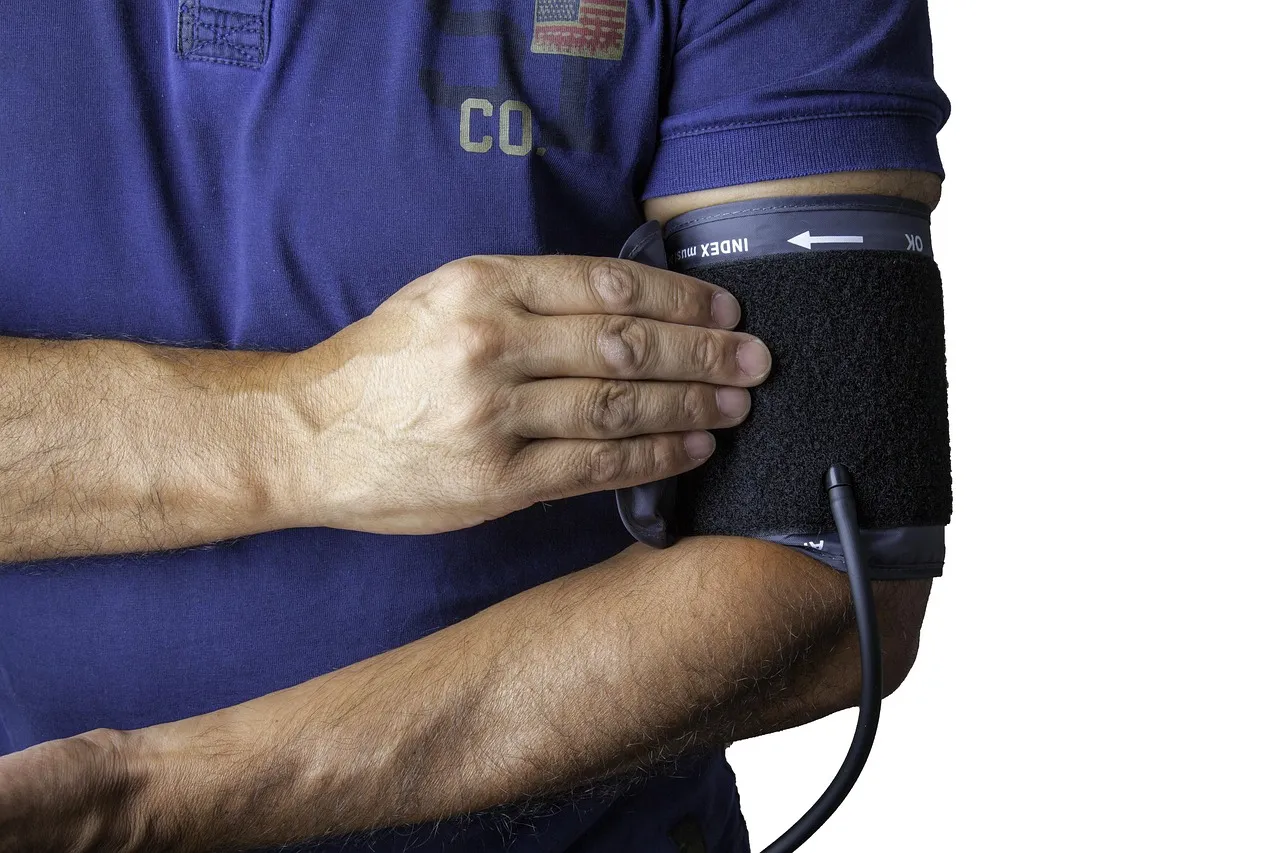
High blood pressure is damaging because it is a chronic mechanical stress on the entire vascular system. It accelerates atherosclerosis, strains the heart (which thickens and eventually weakens), damages the small vessels of the brain and kidneys, and raises the risk of both ischemic and hemorrhagic stroke. These are the conditions that erode healthy years.

How much lowering, and how
SPRINT’s intensive target is not the right goal for everyone: it excluded people with diabetes, and aggressive lowering can cause dizziness, fainting, or kidney stress in some patients. The optimal target is genuinely individual and a matter for clinical judgment. But the direction of benefit across a wide range of starting levels is not in serious doubt.
The levers themselves are well established:
| Lever | Examples |
|---|---|
| Lifestyle | Reduce excess sodium, more potassium-rich foods, aerobic exercise, limit alcohol, healthy weight |
| Sleep and stress | Treat sleep apnea; poor sleep raises pressure |
| Medication | Effective, inexpensive, long-safety-record drug classes when lifestyle isn’t enough |
A note on measurement
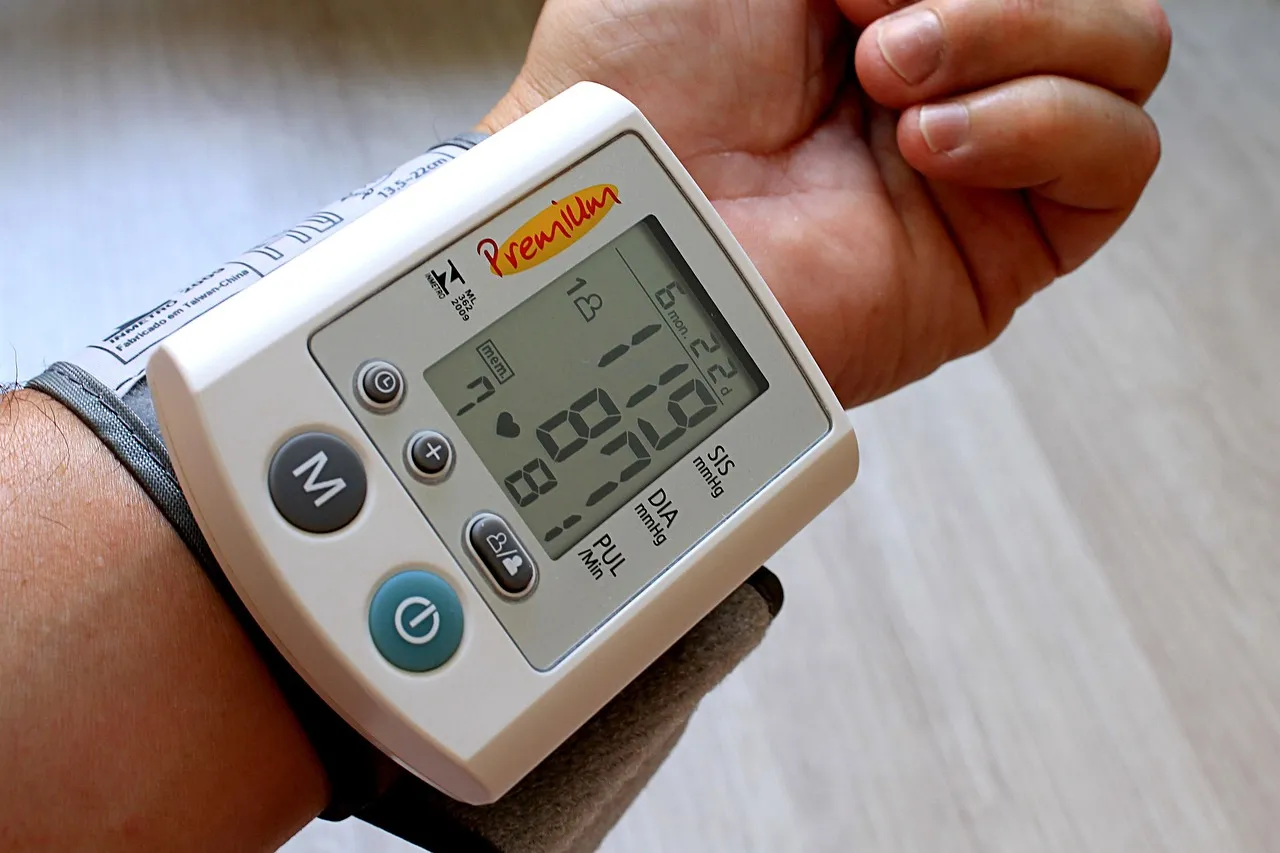
Blood pressure is noisy. A single high reading at a clinic may reflect anxiety rather than your true average. Home monitoring and multiple readings give a far more reliable picture, and decisions should rest on patterns, not one number.
The takeaway
If you wanted to spend your effort where the longevity evidence is strongest, blood pressure would be near the top of the list, ahead of almost any supplement or peptide. It is well measured, modifiable, and backed by causal-grade trial data rather than hopeful correlation. The optimal target is individual and worth discussing with a clinician, but the direction is not in doubt. Sometimes the most powerful intervention is also the least exciting.
Sources
References
Stay current
Get evidence-based briefings in your inbox.