Evidence-based · Longevity
Bone Density and Healthy Aging
Why skeletal health quietly determines independence in later decades, and what the trials say actually helps — loading and nutrition.
Part ofThe Longevity Guide→Bone rarely makes the longevity conversation. It’s not as photogenic as VO2 max or as fashionable as a fasting protocol. But ask geriatricians what most often turns an independent older adult into a dependent one, and a hip fracture is near the top of the list. The slow, quiet loss of bone over decades is one of the more consequential aging processes there is, because it’s invisible until something breaks.
The stakes are sharper than they first appear. A 2010 meta-analysis by Haentjens and colleagues in Annals of Internal Medicine found that in the first three months after a hip fracture, the risk of death was sharply elevated (a relative hazard of about 5.75 in women and 7.95 in men compared with age-matched peers), and that excess mortality persisted for years afterward. A fracture in later life isn’t just a healing problem; it can trigger a cascade of immobility, complications, and lost independence.
How bone changes with age
Bone is living tissue in constant turnover, broken down and rebuilt throughout life. Peak bone mass is usually reached by early adulthood, and from there the balance gradually tips toward loss. The decline accelerates around menopause for women, driven by falling estrogen, but men lose bone too, just later and more slowly.
The bone you carry into old age is built largely in youth and defended, not dramatically rebuilt, in the decades after. The protective strategy is partly about how much you bank early and largely about how slowly you let it erode.
What actually helps
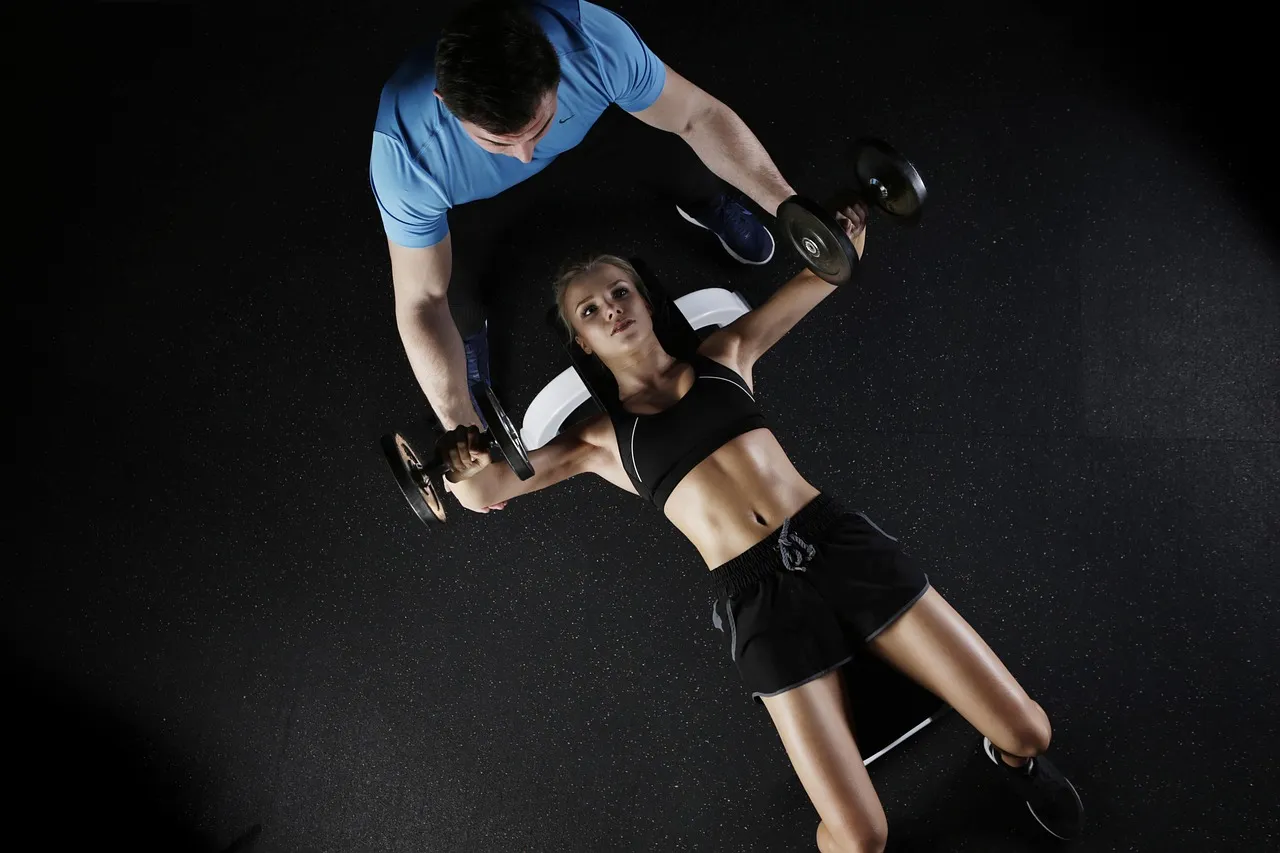
Here the evidence is better than the “nothing can be done after seventy” pessimism suggests. The LIFTMOR randomized trial (Watson et al., Journal of Bone and Mineral Research, 2018) tested high-intensity resistance and impact training in 101 postmenopausal women (mean age ~65) with low bone mass. After eight months of twice-weekly, supervised, heavy training, the exercise group gained bone at the lumbar spine (+2.9%) while controls lost it (−1.2%), with a smaller but significant advantage at the femoral neck — and, contrary to fears about loading fragile bone, the program was well tolerated with essentially no serious adverse events.
The evidence-backed levers
- Resistance and weight-bearing exercise — mechanical load is one of the few stimuli that reliably signals bone to maintain or build itself; LIFTMOR shows even heavy training can be safe under supervision.
- Adequate protein, calcium, and vitamin D — the raw materials and regulators of bone maintenance.
- Fall prevention — balance, strength, and a safe environment, since most fractures require a fall.
- Not smoking and moderating alcohol, both of which work against bone over time.
Medications for established osteoporosis have a real role under medical guidance, but the everyday foundation is loading the skeleton and feeding it.
The takeaway
Skeletal health is one of the quieter determinants of whether later life stays independent. Much of bone mass is set in youth, but the trajectory afterward responds to load, nutrition, and fall prevention — and randomized evidence shows that even in older women with low bone mass, supervised heavy training can improve density rather than merely slow its loss. It won’t trend the way fasting or peptides do, and that’s exactly why it deserves more attention than it gets.
Sources
References
Stay current
Get evidence-based briefings in your inbox.