Evidence-based · Recovery

Caffeine, Sleep, and the Recovery Trade-off
Caffeine's ~5-hour half-life makes afternoon coffee a recovery decision: a controlled trial found it cut sleep even 6 hours before bed.
Part ofThe Recovery Guide→Caffeine is usually discussed as a performance tool: sharper focus, better workouts, more alertness. That’s real. But there’s a second story most people skip: because caffeine lingers in the body for hours, every afternoon coffee is quietly a recovery decision. Drink it late enough and you can borrow alertness today at the cost of the deep sleep that rebuilds you tonight.
The half-life problem
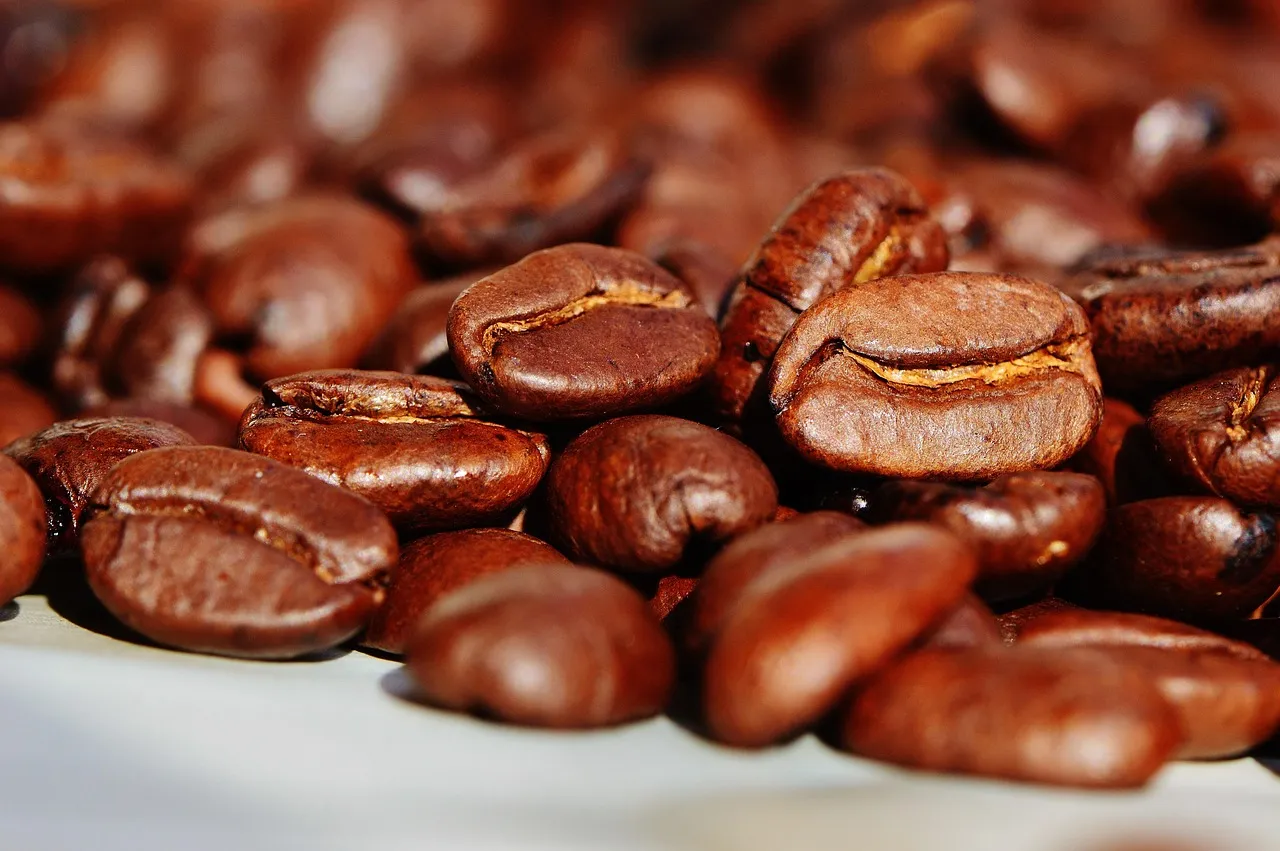
Caffeine works by crossing the blood-brain barrier and blocking adenosine receptors, adenosine being the molecule that accumulates through the day and signals sleep pressure. According to the StatPearls pharmacology review, the half-life of caffeine in the average adult is approximately 5 hours, and it’s metabolized in the liver chiefly by the enzyme CYP1A2. Half-life means the time for half the dose to clear, so a strong coffee mid-afternoon can leave a meaningful fraction still circulating at bedtime. That clearance rate varies widely between people based on CYP1A2 genetics, smoking, pregnancy, and other factors.
In a randomized, double-blind crossover trial, 400 mg of caffeine taken even 6 hours before bedtime measurably disrupted sleep, enough that the authors backed a sleep-hygiene rule to avoid substantial caffeine for at least 6 hours before bed.
That trial, by Drake and colleagues in the Journal of Clinical Sleep Medicine (2013), gave 12 healthy adults 400 mg of caffeine at 0, 3, and 6 hours before bed versus placebo. Caffeine taken 6 hours out reduced self-reported total sleep time by 41 minutes, with objective monitoring showing larger effects.

Why this is a recovery issue
Sleep (especially deep, slow-wave sleep) is when much of physical recovery happens. The largest analysis to date confirms caffeine erodes exactly those stages. Gardiner and colleagues’ systematic review and meta-analysis of 24 controlled crossover studies, published in Sleep Medicine Reviews (2023), found that caffeine on average:
| Sleep measure | Effect of caffeine |
|---|---|
| Total sleep time | −45 min |
| Sleep efficiency | −7% |
| Time to fall asleep | +9 min |
| Wake after sleep onset | +12 min |
| Deep sleep (N3 + N4) | −11.4 min |
| Light sleep (N1) | +6.1 min |
In other words, you lose sleep overall and the sleep you keep shifts toward lighter stages. This is why “it doesn’t affect my sleep” is unreliable: deep sleep can be shortchanged even when you don’t notice trouble dropping off.
Practical, evidence-based timing
The same meta-analysis translated its dose-response data into concrete guidance:
- To avoid disrupted sleep, a standard coffee (about 107 mg of caffeine) should be consumed at least 8.8 hours before bedtime.
- A stronger pre-workout dose (about 217.5 mg) should be consumed at least 13.2 hours before bedtime.
- Expect big individual variation; slow metabolizers may need an earlier cutoff than they’d guess.
- If you sleep poorly, treat afternoon caffeine as a prime suspect before blaming everything else.
The takeaway
Bad timing, not caffeine itself, is the enemy of recovery. Used earlier in the day, it’s a legitimately useful tool. The trade-off turns against you when its long tail overlaps with sleep, eroding the deep sleep that does the actual repair work. The controlled evidence suggests stopping a normal coffee close to nine hours before bed, and judging it by how you sleep, not just by whether you feel affected. Your perception is the least reliable instrument here.
Sources
References
Stay current
Get evidence-based briefings in your inbox.