Evidence-based · GLP-1 & Metabolic
Can Training Offset GLP-1 Muscle Loss?
Resistance training is the obvious lever against lean-mass loss. What the evidence says it can protect on a GLP-1, and what it cannot.
Part ofThe GLP-1 Guide→When people lose weight rapidly on GLP-1 medications, a meaningful fraction of what comes off is lean mass, not just fat. A body-composition analysis of the STEP 1 semaglutide trial (Journal of the Endocrine Society, 2021) found that participants losing 15.0% of body weight saw total lean mass fall 9.7% — though, because fat fell faster (−19.3%), lean mass actually rose as a proportion of the smaller body. So the picture is nuanced, but absolute muscle loss is real. The intuitive countermeasure is resistance training. The more useful question is how much it can actually protect.
What we know about lean mass during weight loss
Some loss of lean tissue during weight loss is normal and partly appropriate; a smaller body needs less muscle to move around. The concern is losing more than necessary, especially in older adults for whom muscle is tied to function and long-term independence. In weight-loss studies broadly, resistance training paired with adequate protein preserves more lean mass than dieting alone. A 10-week randomized trial of 100 overweight and obese older adults (Nutrition Journal, 2017) found that high protein combined with exercise was the only arm to significantly increase fat-free mass (+0.6 kg, p=0.011); protein or exercise alone did not.
Resistance training does not abolish lean-mass loss during rapid weight loss — but combined with adequate protein it reliably shifts the ratio toward fat. The realistic goal is preservation, not prevention.
Here is the honest caveat: as of 2026 there is no completed randomized trial of resistance training specifically during GLP-1 therapy. The authors of the LEAN-PREP trial protocol (BMJ Open, 2026) state plainly that “no studies, to our knowledge, have examined resistance exercise during semaglutide/tirzepatide-induced weight loss.” LEAN-PREP — 232 participants, four arms, six months — only opened to recruitment in August 2025. So the case rests on extrapolation from general weight-loss research, which is reasonable but worth naming.
What appears to help
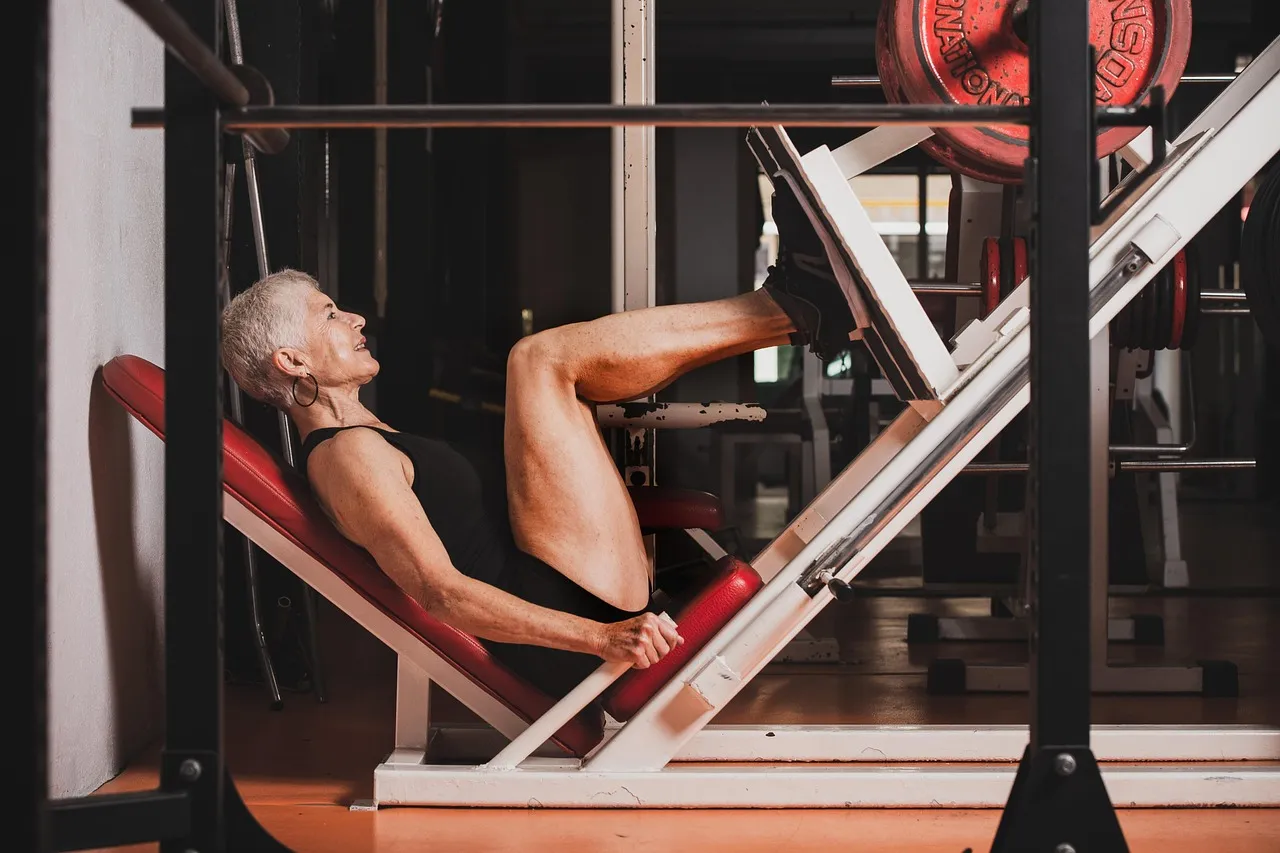
- Resistance training — the stimulus that signals the body to retain muscle.
- Adequate protein intake — harder than it sounds when appetite is suppressed; LEAN-PREP targets 1.6 g/kg/day.
- Not losing weight faster than necessary — slower loss tends to spare more lean mass.

The honest limits
Training and protein can shift the fat-to-lean ratio favorably, but they are not a force field. People eating very little because of strong appetite suppression may struggle to consume enough protein or to recover from hard training, which blunts the effect. And no amount of training fully converts rapid total-weight loss into pure fat loss.
The takeaway
Resistance training plus adequate protein is the best available lever for protecting lean mass during GLP-1 weight loss — but the direct trial evidence is still being collected, and the strongest existing data come from weight loss generally, not GLP-1 use specifically. It reduces muscle loss rather than eliminating it, and depends on actually eating enough to support training. Preserve what you can, expect some loss, and prioritize protein deliberately.
Sources
- Impact of Semaglutide on Body Composition: Exploratory Analysis of the STEP 1 Study (Journal of the Endocrine Society, 2021)
- LEAN-PREP: Resistance Exercise and Protein during semaglutide/tirzepatide therapy — RCT protocol (BMJ Open, 2026)
- High protein diet and/or resistance exercise on fat-free mass during weight loss in older adults — RCT (Nutrition Journal, 2017)
References
- Impact of Semaglutide on Body Composition: Exploratory Analysis of the STEP 1 Study (Journal of the Endocrine Society, 2021)
- LEAN-PREP: Resistance Exercise and Protein during semaglutide/tirzepatide therapy — RCT protocol (BMJ Open, 2026)
- High protein diet and/or resistance exercise on fat-free mass during weight loss in older adults — RCT (Nutrition Journal, 2017)
Compounds in this article
Stay current
Get evidence-based briefings in your inbox.