Evidence-based · Recovery
Foam Rolling: Real Benefit or Ritual?
Small, real acute gains in flexibility and reduced soreness, minor overall. Where foam rolling earns its place, and where not.
Part ofThe Recovery Guide→Walk into any gym and you will find people rolling their legs over a cylinder of foam, often with the expression of someone doing penance. Foam rolling has become a near-universal ritual, justified with confident talk of releasing fascia and breaking up knots. The evidence tells a narrower but genuinely useful story, and separating the real benefit from the ritual is worth doing.
What foam rolling reliably does
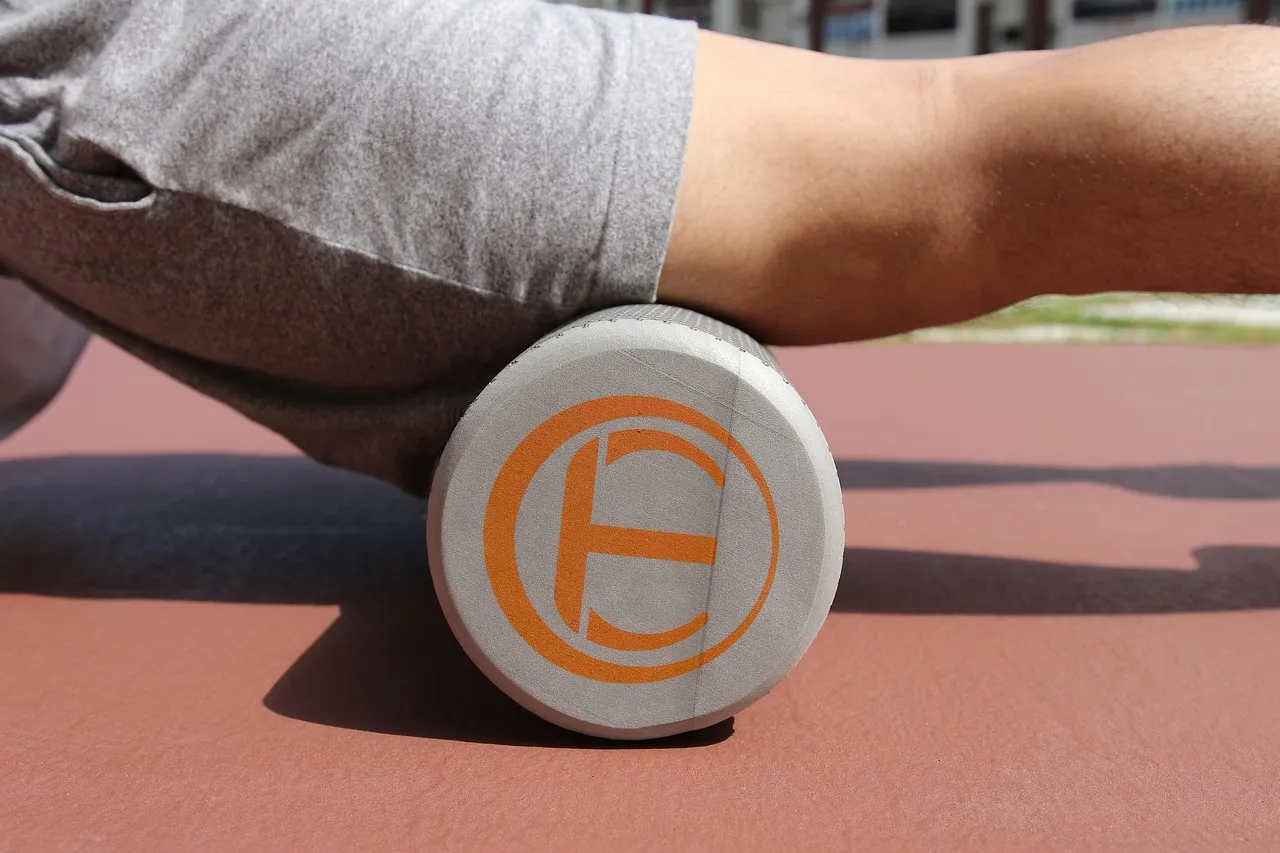
The most consistent finding is short-term: rolling a muscle group tends to increase its range of motion for a while, without the strength loss prolonged static stretching can cause. A 2019 meta-analysis in Frontiers in Physiology by Wiewelhove and colleagues pooled the trials and put numbers on the effects. Foam rolling before exercise produced a small improvement in flexibility (+4.0%, effect size g = 0.34) and a marginal one in sprint performance (+0.7%, g = 0.28), while its effect on jump (−1.9%) and strength (+1.8%) was negligible.
The other reasonably supported benefit is for soreness. Rolling after exercise reduced muscle pain perception by about 6.0% (g = 0.47) — the largest single effect in the analysis — and slightly attenuated post-exercise drops in sprint and strength performance. The authors’ overall verdict is worth keeping in mind: the effects of foam rolling on performance and recovery are “rather minor and partly negligible.”
The clearest takeaway: foam rolling produces real but small acute gains in flexibility (~+4%) and a modest reduction in perceived soreness (~6%). Those acute effects are where the evidence is strongest — and even they are minor.
What it probably does not do
Now the deflating part. The popular explanations for why foam rolling works are mostly not supported.
- “Releasing fascia” with a foam roller is unlikely in the literal, mechanical sense. The forces involved are not thought sufficient to meaningfully deform connective tissue.
- “Breaking up knots or adhesions” is similarly more metaphor than mechanism.
- Long-term flexibility or performance gains from rolling alone are not well established. The range-of-motion benefit is largely acute and fades.
The more credible explanation for the acute effects involves the nervous system and pain perception, a temporary increase in stretch tolerance, rather than a structural change in the muscle or fascia.

Where it earns its place
Foam rolling makes the most sense as:
- A warm-up aid to gain a bit of range of motion before training, without the downsides of long static stretching.
- A soreness-management tool when you are stiff and a short session makes you feel and move better.
- A low-cost, low-risk habit that, even if partly placebo, carries little downside.
It earns its place less well as a structural fix for tightness or as a long-term flexibility program, roles the evidence does not support.

On rituals
It is worth being relaxed about the ritual aspect. If five minutes of rolling helps you feel prepared and willing to train, that has value even if the mechanism is partly in your head. Recovery and performance are not purely physical, and a low-risk habit that improves consistency is not something to sneer at. The error is only in believing it does more than it does, or skipping the things that work better.
The takeaway
Foam rolling is real but modest: dependable short-term gains in range of motion and reduced soreness, built on a mechanism that is more nervous-system than fascia, with little evidence of lasting structural change. Use it as a cheap, low-risk warm-up and soreness aid, enjoy the ritual if it helps, and do not mistake it for the heavy lifting of recovery, which is still sleep, sensible training load, and time.
Sources
Stay current
Get evidence-based briefings in your inbox.