Evidence-based · Longevity
Frailty and Aging: Prevention Strategies
Frailty is partly preventable and sometimes reversible. What the trial evidence supports on exercise, protein, and multi-domain programs.
Part ofThe Longevity Guide→Frailty has a precise clinical meaning that gets lost in casual use. It is not old age, and it is not the same as having a disease. It is a measurable state of reduced reserve, the point at which a minor stressor like a fall, an infection, or a new medication produces a disproportionate decline that the body struggles to recover from. The encouraging part, and the reason it is worth writing about, is that frailty develops gradually and, in controlled trials, appears to be partly preventable and sometimes reversible.
This article looks at what the evidence supports, where it is genuinely strong, and where the marketing has run ahead of the data.
What the research supports
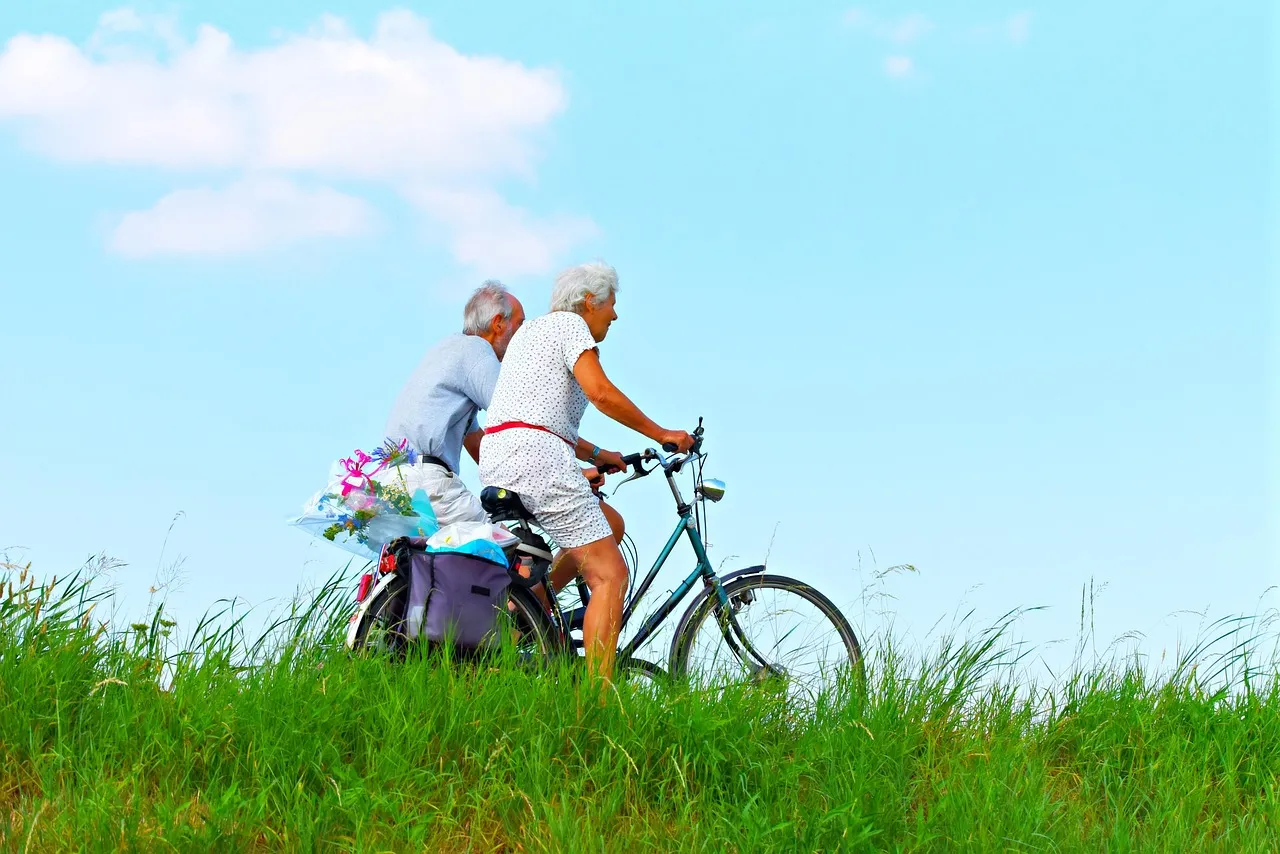
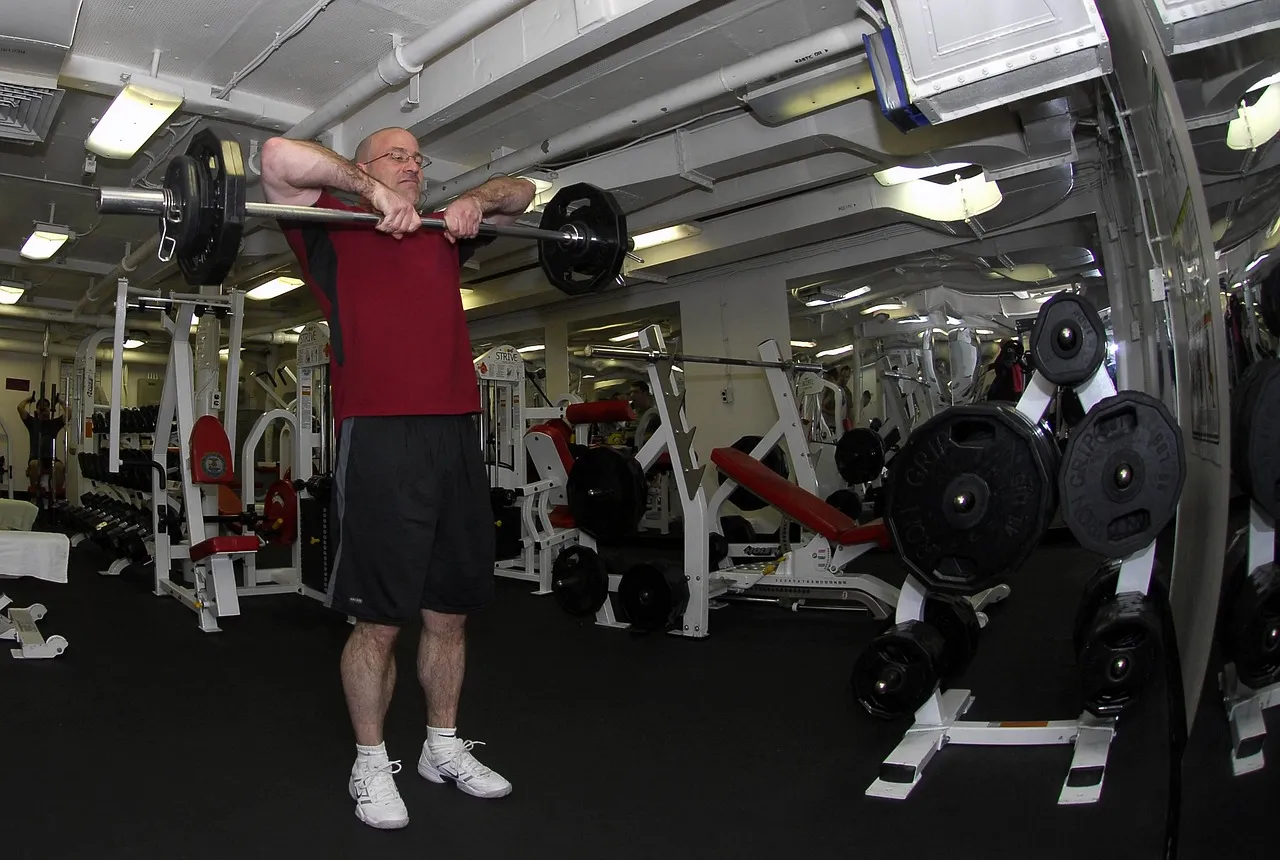
The most consistent finding in geriatric medicine is unglamorous: the strongest tools against frailty are physical activity and adequate protein, applied over time. Multicomponent exercise (combining resistance training, balance work, and aerobic activity) has repeatedly improved frailty measures in randomized trials. A 2024 systematic review and meta-analysis in BMC Geriatrics pooled 18 randomized controlled trials covering 3,457 community-dwelling older adults and found that multicomponent exercise reduced frailty risk by roughly 55% (95% CI 45–67%), with the benefit holding across different program durations and activity types.
Protein matters because frailty is closely tied to muscle loss, and many older adults under-consume it. The PROT-AGE expert group, convened under the European Union Geriatric Medicine Society, recommends an average of 1.0–1.2 g of protein per kg of body weight per day for healthy older adults, above the standard adult RDA of 0.8 g/kg, and more (1.2–1.5 g/kg) for those with acute or chronic illness.
The honest limit: most frailty trials run for months, not decades, and measure surrogate scores rather than lifespan. We can say with reasonable confidence that exercise and adequate protein reduce frailty markers; no single program has been shown to add years of life.
Where the evidence is weaker
- Nutritional supplements alone showed limited and inconclusive benefit in the same BMC Geriatrics review; exercise was the consistent driver.
- Anti-aging compounds marketed for frailty rarely have direct randomized trial data in frail populations.
- Single interventions usually underperform combined approaches: there is no one lever.
The takeaway
Frailty is best understood as a slope, not a cliff, and that slope is shaped mostly by movement, muscle, and nutrition. The interventions with the best evidence are also the least exciting: keep doing resistance, balance, and aerobic work together; eat enough protein; and stay socially and mentally engaged. The trials are shorter than we’d like and measure scores rather than survival, but the downside is minimal and the effect on frailty itself is real and reproducible. Be skeptical of anything sold as a frailty cure in a bottle.
Sources
- Impact of multicomponent exercise and nutritional supplement interventions for improving physical frailty in community-dwelling older adults: a systematic review and meta-analysis (BMC Geriatrics, 2024)
- Protein intake and exercise for optimal muscle function with aging: Recommendations from the ESPEN Expert Group / PROT-AGE (PMC)
References
- Impact of multicomponent exercise and nutritional supplement interventions for improving physical frailty in community-dwelling older adults: a systematic review and meta-analysis (BMC Geriatrics, 2024)
- Protein intake and exercise for optimal muscle function with aging: Recommendations from the ESPEN Expert Group / PROT-AGE (PMC)
Stay current
Get evidence-based briefings in your inbox.