Evidence-based · GLP-1 & Metabolic
GLP-1 Shortages: What Drove Them and What's Next
Demand outran supply for years. What caused it, when the FDA called it resolved, and what that then changed for compounding.
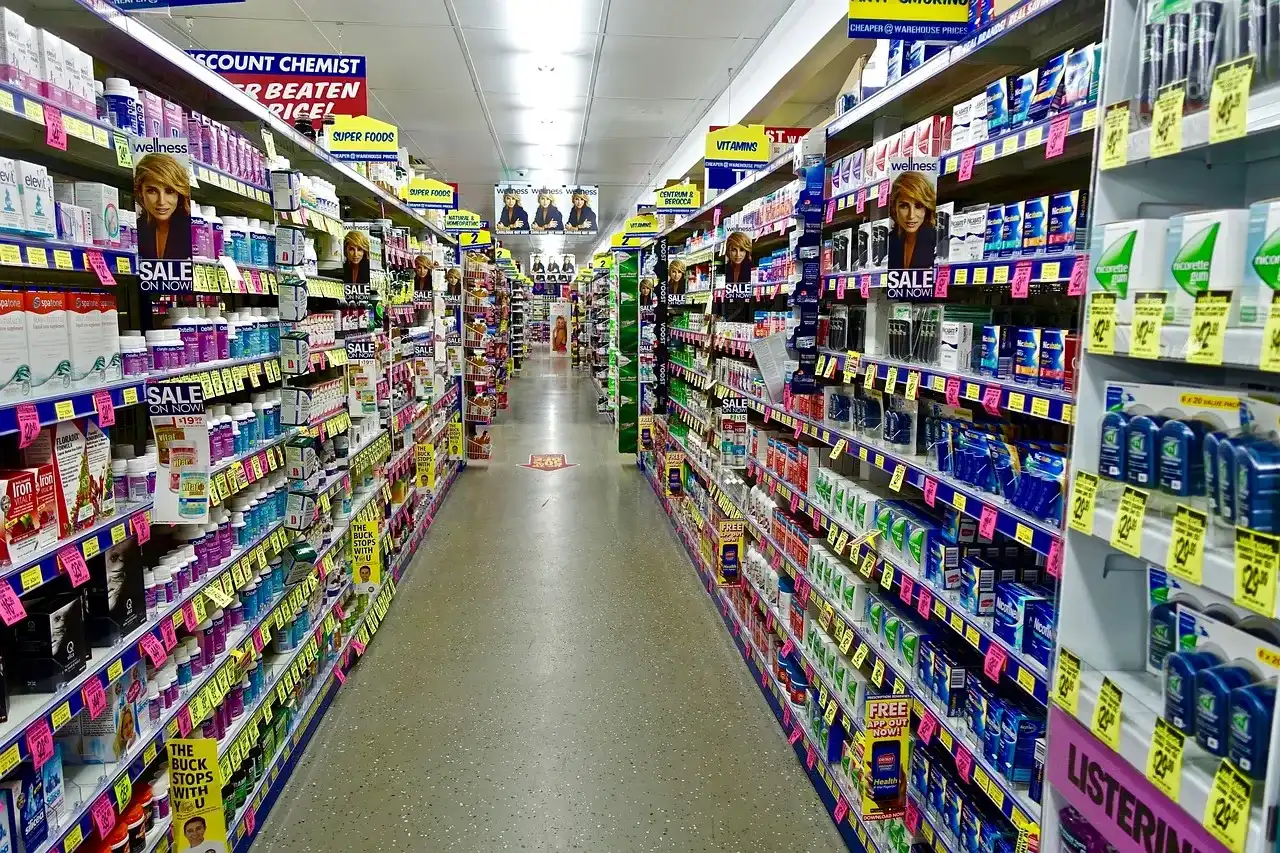
Part ofThe GLP-1 Guide→For much of the past few years, the defining story of GLP-1 drugs wasn’t efficacy — it was scarcity. Patients with prescriptions couldn’t fill them, pharmacies rationed stock, and a parallel market of compounded versions sprang up to fill the gap. The shortage was real and disruptive, and the way it resolved tells you a lot about where access is heading.
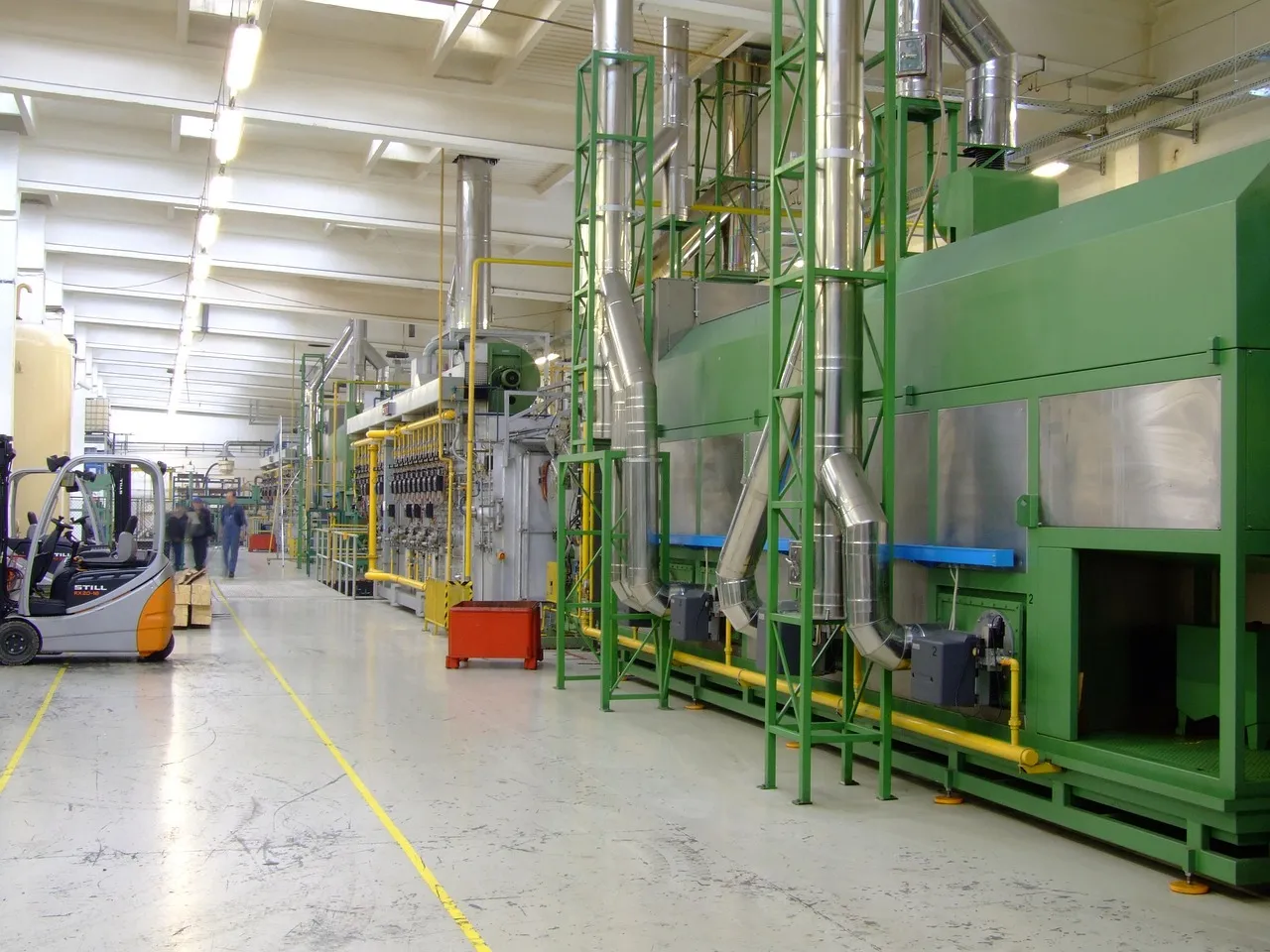
The root cause was simple in outline: demand for these drugs exploded after they proved to produce substantial weight loss, opening a far larger obesity market than the diabetes market they were first built for. Manufacturers had not built capacity sized for that demand. And these are not simple pills — they are injectable peptides, often paired with specialized pen devices, so expanding output means building and validating specialized manufacturing lines, a process measured in years.
How the shortage actually ended
Unlike many shortages, this one has a concrete regulatory endpoint, because the U.S. FDA maintains an official drug shortage list and formally declares when a drug comes off it.
- Tirzepatide (Mounjaro, Zepbound): the FDA determined the shortage resolved in October 2024, and after reconsideration prompted by industry challenge, reaffirmed resolution on December 19, 2024.
- Semaglutide (Ozempic, Wegovy): the FDA issued a declaratory order on February 21, 2025, marking the shortage resolved for all presentations.
The honest summary: the shortage was a manufacturing-capacity problem layered on a demand surge no one had planned for. By early 2025 the FDA had formally declared both leading agents no longer in shortage — a milestone, but one that also reshaped the legal landscape for compounded copies.

What the resolution changed for compounding
Compounded GLP-1 drugs were legally permissible largely because an official shortage existed. Once the FDA declared the shortages over, that legal basis narrowed on a published timeline:
| Pharmacy type | Semaglutide enforcement wind-down |
|---|---|
| 503A state-licensed pharmacies | ~April 22, 2025 (60 days after the Feb 21 order) |
| 503B outsourcing facilities | ~May 22, 2025 (90 days after the order) |
Industry groups challenged these determinations in court, but the enforcement deadlines held.
The takeaway
The GLP-1 shortage was a textbook case of a demand surge meeting fixed manufacturing capacity for a hard-to-make injectable peptide. It now has a formal resolution: the FDA declared tirzepatide resolved in late 2024 and semaglutide resolved in February 2025, after which the legal room for compounded copies wound down over the following months. If access has been your barrier, the official picture is genuinely better than at the peak — but local availability of specific doses can still lag the headline, so confirm with your pharmacy rather than assuming uniform supply.
Sources
References
Compounds in this article
Stay current
Get evidence-based briefings in your inbox.