Evidence-based · GLP-1 & Metabolic
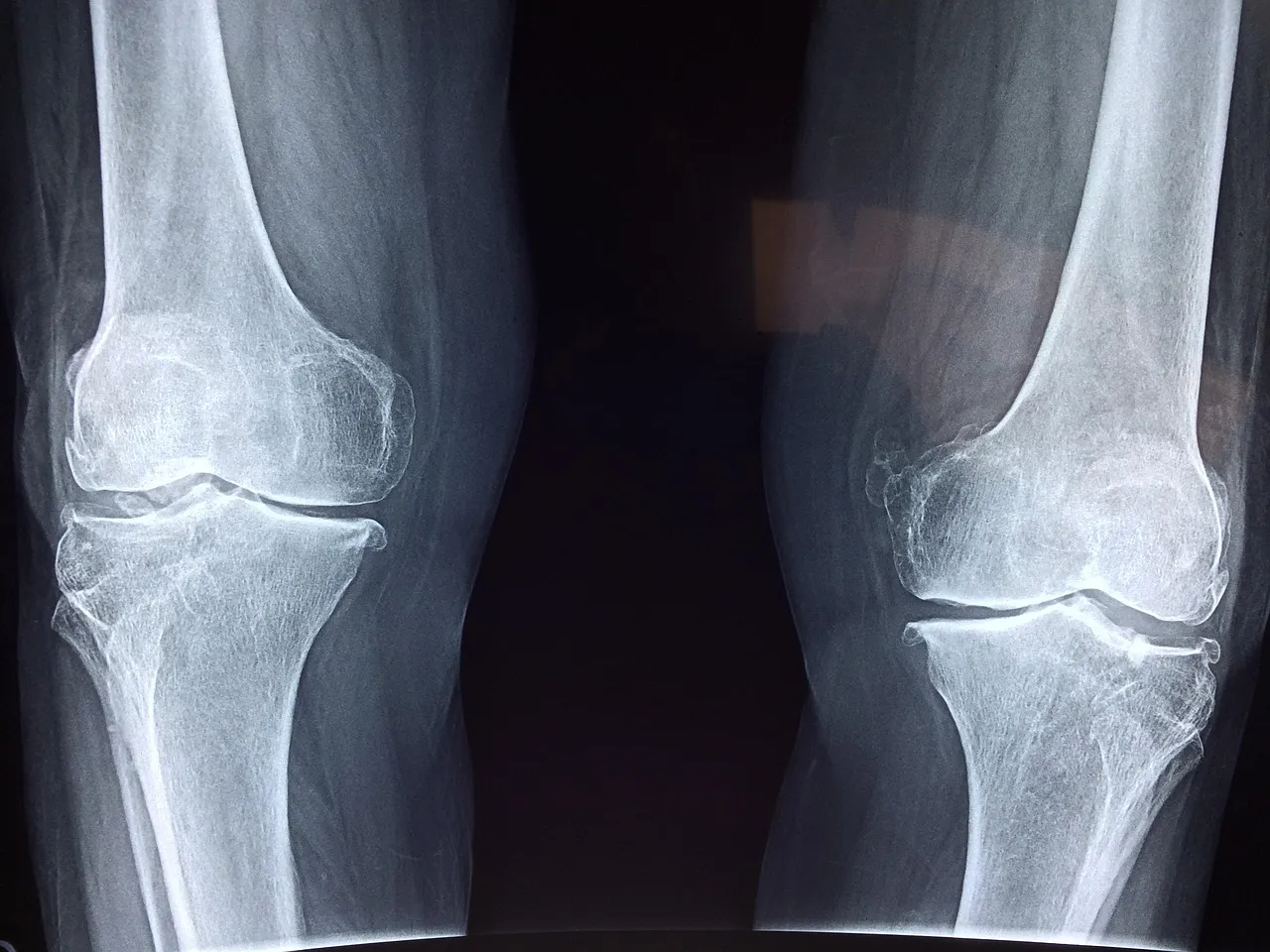
GLP-1s and Bone Density: An Open Question
Rapid weight loss can affect bone. What the limited trial data shows on GLP-1s and bone density, and why it is worth watching.
Part ofThe GLP-1 Guide→When someone loses a meaningful share of their body weight, the change isn’t limited to fat. Muscle comes off, and so, in many cases, does bone. That pattern is well documented across bariatric surgery and old-fashioned dieting alike. So as GLP-1 medications drive weight loss at a scale that used to require an operating room, a reasonable question follows: what happens to the skeleton along the way?
The honest answer is that we don’t fully know yet. The large trials that established these drugs were designed to measure weight, cardiovascular events, and blood sugar — not bone. The bone-specific evidence we have is small and short-term, and it does not yet tell us what matters most: whether fractures go up over years.

What the dedicated bone trial found
The most direct human evidence comes from a small randomized, double-blind, phase 2 trial led by Morten S. Hansen, published in eClinicalMedicine in 2024. It enrolled 64 adults at increased fracture risk — 55 postmenopausal women and 9 men — and gave them once-weekly semaglutide 1.0 mg or placebo for 52 weeks.
| Measure | Semaglutide vs placebo (52 weeks) |
|---|---|
| Total hip bone mineral density | Lower (p = 0.001), about a 2.6% relative loss |
| Lumbar spine bone mineral density | Lower (p = 0.007), about a 2.1% relative loss |
| Bone formation marker (P1NP) | No compensatory increase |
| Weight change | About 6.8 kg lost |
Over one year, semaglutide reduced bone mineral density at the hip and spine versus placebo in people already at fracture risk — and the investigators attributed the effect largely to the accompanying weight loss, not a unique action of the drug.
What we can reasonably say today
- This was a 64-person, one-year trial. It measured bone density and turnover, not fractures, so it cannot tell us about real-world fracture risk.
- The bone loss tracked the weight lost, consistent with how rapid weight loss of any kind tends to lower bone density.
- For context, postmenopausal women typically lose roughly 1–2% of hip bone density per year, so a 2.6% drop in a single year is not trivial in an already at-risk group.
- Older adults and post-menopausal women plausibly carry more downside risk here than younger, healthier people.

Why it’s worth watching, not panicking over
There’s a tempting overcorrection: treat any bone-density dip as a reason to avoid these drugs. That ignores the other side of the ledger. Excess weight, diabetes, and inactivity carry substantial risks of their own, and the cardiometabolic benefits of these medications are real and well-supported. The point isn’t alarm — it’s attention.
For higher-risk groups, it’s a conversation worth having with a clinician, possibly including baseline bone assessment and a plan to load the skeleton through resistance training and adequate protein, both of which are reasonable hedges while the evidence matures.

The takeaway
Bone density during GLP-1 therapy is a genuine open question. The best direct evidence — a single small trial — shows measurable bone-density loss at the hip and spine over a year in people already at risk, apparently driven by weight loss itself. But with no fracture data and a tiny sample, we can’t quantify the real-world stakes. Watch this space honestly, and be skeptical of anyone claiming certainty in either direction.
Sources
Compounds in this article
Stay current
Get evidence-based briefings in your inbox.