Evidence-based · GLP-1 & Metabolic
GLP-1s and Muscle Loss: Protecting Lean Mass
DEXA substudies show roughly a quarter to a third of the weight lost is lean mass. What training and protein intake can do.
Part ofThe GLP-1 Guide→When you lose weight quickly, you don’t only lose fat. A portion of what comes off is lean mass: muscle, connective tissue, and the water they hold. This is true of any rapid weight-loss method, and GLP-1 medications like semaglutide and tirzepatide are no exception. The question worth asking isn’t whether some lean mass is lost, but how much, whether it matters for your goals, and what you can do about it.
What the body-composition data shows
Several GLP-1 trials tracked body composition with DEXA scans rather than the scale alone, and the numbers are consistent across drugs.
| Trial (DEXA substudy) | Drug | Body weight change | Fat mass change | Lean mass change |
|---|---|---|---|---|
| STEP 1 (n≈140) | Semaglutide 2.4 mg, 68 wk | −15.0% | −19.3% | −9.7% |
| SURMOUNT-1 (n=160) | Tirzepatide, 72 wk | −21.3% | −33.9% | −10.9% |
 |
In SURMOUNT-1, fat made up about 74% of the weight lost and lean mass about 26%, essentially the same split (75%/25%) seen in the placebo group. In STEP 1, lean mass fell, but because fat fell faster, the proportion of the body that was lean mass actually rose.
The honest framing: losing some lean mass alongside fat is expected with fast weight loss, and the roughly one-quarter-to-one-third share these trials show is comparable to other forms of significant calorie restriction. The muscle loss appears driven mostly by rapid weight reduction itself, not something unique to the drug.
A pound of muscle is not equal to a pound of fat in what it does for you. Lean mass supports metabolic rate, strength, glucose handling, and (especially as you age) independence and fall resistance. So even a “normal” proportion of lean loss is worth taking seriously, particularly in older adults who start with less to spare.

What seems to help
The interventions with the strongest mechanistic rationale are unsurprising and unglamorous:
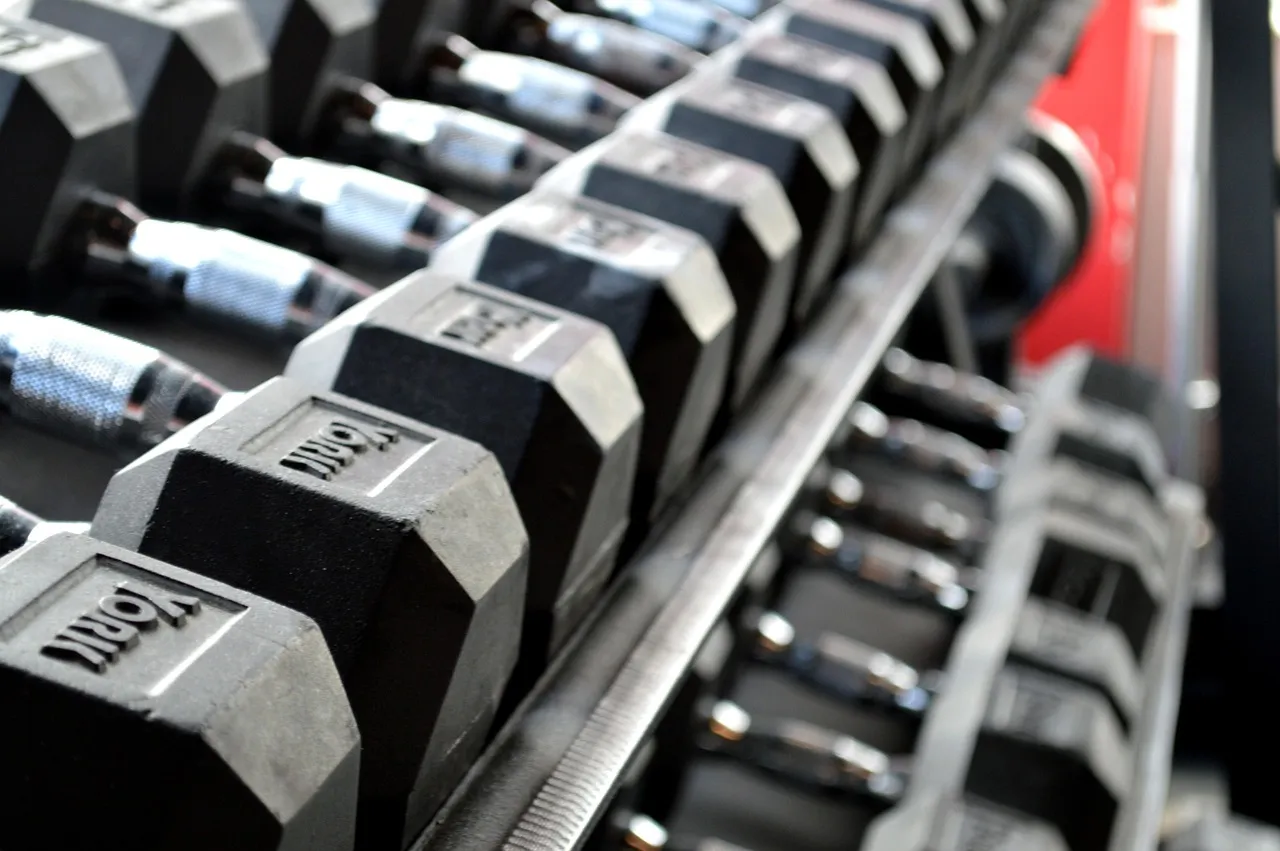
- Resistance training. Loading muscle signals the body to retain it during a deficit. This is the single most evidence-supported lever.
- Adequate protein. Higher protein intake during weight loss is consistently associated with better lean-mass preservation across the broader literature.
- A less aggressive pace where feasible. Slower loss tends to spare more lean tissue.
A reasonable practical stance
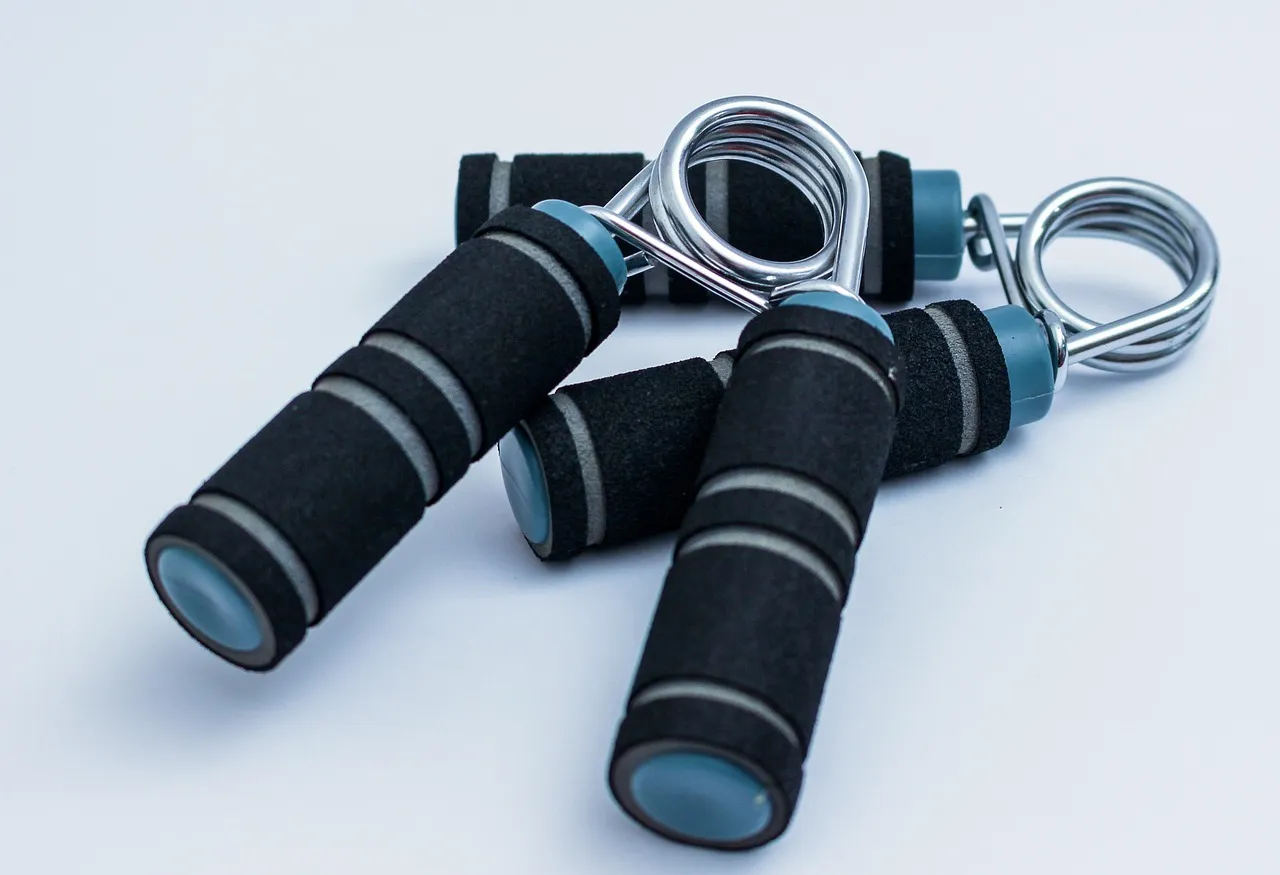
Pair the medication with regular strength work and a deliberate protein target, and treat the scale as one input among several. A periodic DEXA or even a simple grip-strength check gives you signal the scale can’t.
The takeaway
GLP-1s cause the lean-mass loss that accompanies any rapid weight reduction, roughly a quarter to a third of total loss in the DEXA substudies, not obviously more or less than other methods. The loss is real but partly modifiable. Resistance training and sufficient protein are the highest-confidence countermeasures, and they cost nothing but effort. What we still lack are large, long-term trials confirming how much these habits change downstream function. Until then, the conservative move is to protect muscle deliberately rather than assume the drug will.
Sources
References
Compounds in this article
Stay current
Get evidence-based briefings in your inbox.