Evidence-based · Longevity

Grip Strength as a Longevity Marker
In a 140,000-person study, lower grip strength predicted death better than systolic blood pressure. Why the marker works so well.
Part ofThe Longevity Guide→Few measurements in longevity research are as simple, cheap, and consistently predictive as grip strength. Squeezing a handheld dynamometer takes seconds, yet across large studies it tracks with the risk of dying from a range of causes. The interesting question is why a hand squeeze tells us anything about how long someone is likely to live.
What the data shows
The landmark evidence comes from the Prospective Urban Rural Epidemiology (PURE) study, published in The Lancet in 2015. PURE followed roughly 140,000 adults across 17 countries and found that each 5 kg reduction in grip strength was associated with a 16% higher risk of all-cause death (hazard ratio 1.16, 95% CI 1.13–1.20), a 17% higher risk of cardiovascular death (HR 1.17), and higher rates of heart attack and stroke. Notably, in that analysis grip strength was a stronger predictor of death than systolic blood pressure.
The key word, though, is association. Grip strength predicts; that does not mean training your grip extends your life.
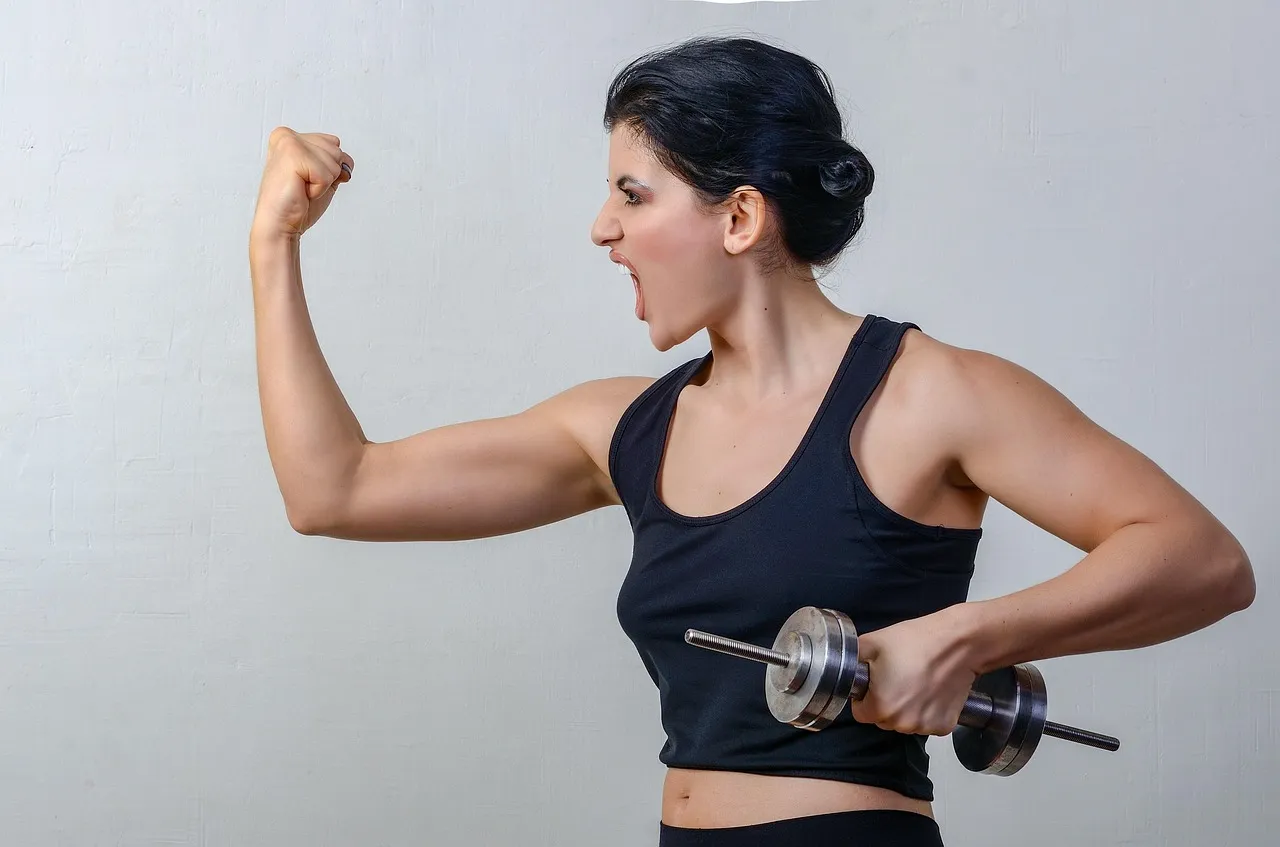
The honest framing: grip strength is one of the best simple markers of longevity we have, but it is most likely a proxy for overall strength, muscle mass, and vitality — not a lever you pull directly.
Why a hand squeeze predicts so much
- It reflects overall muscular strength, which tracks with whole-body muscle mass and physical capacity.
- Muscle mass and strength relate to metabolic health, fall and frailty risk, and resilience to illness.
- It captures something about nervous-system function and general physiological reserve.
- It is easy to measure reliably, so it produces clean, comparable data across huge populations.

| What PURE found (per 5 kg lower grip) | Hazard ratio (95% CI) |
|---|---|
| All-cause mortality | 1.16 (1.13–1.20) |
| Cardiovascular mortality | 1.17 (1.11–1.24) |
| Myocardial infarction | 1.07 (1.02–1.11) |
| Stroke | 1.09 (1.05–1.15) |
The trap to avoid
The natural mistake is to think building crushing grip strength on its own will move the longevity needle. There is no good evidence for that. Grip strength matters because of what it stands in for. The thing actually worth building is broad strength and muscle mass through resistance training — and grip is simply a convenient window into whether that larger picture is healthy.
It is also worth noting that, like many markers, grip strength can be influenced by injury, arthritis, or technique, so a single low reading is not destiny.
The takeaway
Grip strength is a remarkably good, cheap predictor of mortality — in PURE it outperformed systolic blood pressure — and that makes it a genuinely useful marker to track over time. Just keep the causation straight: the evidence says it reflects overall strength and vitality, not that grip training itself buys you years. Train for full-body strength, and let grip be the dashboard light rather than the engine.
Sources
Stay current
Get evidence-based briefings in your inbox.