Evidence-based · Longevity

Biomarkers of Aging: What's Worth Tracking
A practical, skeptical guide to the aging markers that actually inform decisions — and the clocks that do not yet do that.
Part ofThe Longevity Guide→The promise of an “aging biomarker” is seductive: a single number that tells you whether you are aging faster or slower than the calendar. The reality is messier. Some markers are well validated and clinically actionable. Others are interesting research tools that get marketed as personal dashboards long before the science supports individual decisions. Sorting the two is the whole game.
The distinction that matters
There is a useful split between markers that predict outcomes at a population level and markers that should change what you do as an individual. A test can be a strong epidemiological predictor and still be a poor basis for personal action — because the year-to-year noise swamps the signal, or because no intervention has been shown to move both the marker and the outcome.
The honest limit: very few “aging clocks” have been shown to improve health when you act on them. Predicting risk is not the same as having a lever you can pull.
Markers with a strong, boring track record
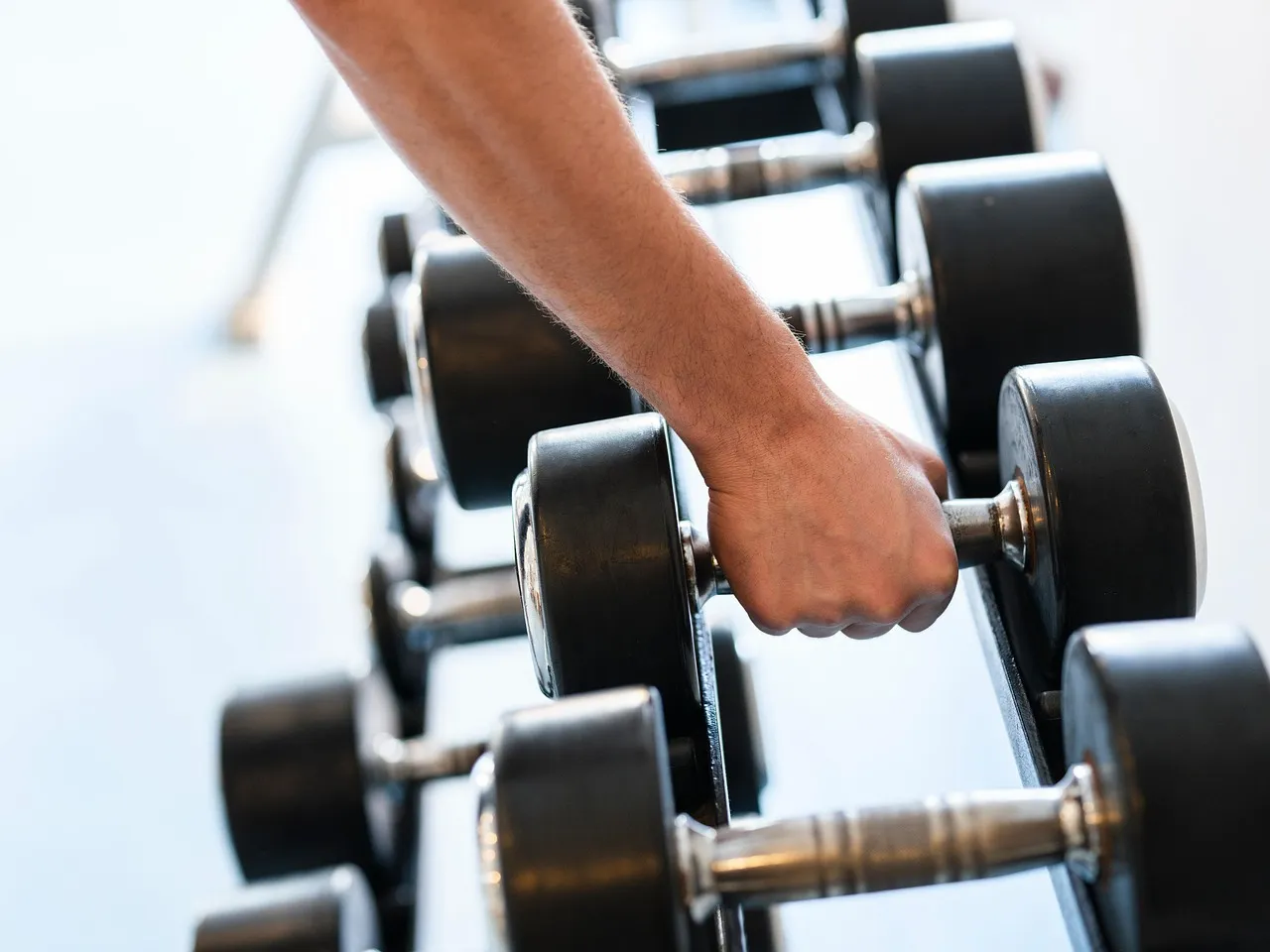
These are unglamorous but genuinely decision-relevant — blood pressure, fasting glucose and HbA1c, ApoB or LDL particle measures, and fitness measures like VO2 capacity. One of the more striking examples is grip strength, a cheap proxy for whole-body resilience. In the Prospective Urban Rural Epidemiology (PURE) study (Leong et al., The Lancet, 2015; 139,691 participants across 17 countries, median 4-year follow-up), each 5 kg lower grip strength was associated with a 16% higher risk of death (hazard ratio 1.16, 95% CI 1.13–1.20). Grip strength predicted all-cause and cardiovascular mortality more strongly than systolic blood pressure did.
Markers that are promising but oversold
Epigenetic “clocks” (DNA methylation age) are scientifically real and improving, but they are not yet a reliable personal dashboard. A 2022 analysis by Higgins-Chen and colleagues in Nature Aging found that several widely used clocks showed large differences between technical replicates of the same sample — for example, PhenoAge varied by as much as 8.6 years between replicates. Retrained, principal-component versions of the clocks brought most replicates into agreement within about 1–1.5 years — a real fix, but one that underscores how much measurement noise the original clocks carried.
| Marker | Population-level value | Individual actionability |
|---|---|---|
| Blood pressure, HbA1c, ApoB | High | High — clear interventions |
| Grip strength, VO2 | High | Moderate–high |
| Epigenetic clocks | Promising | Limited — reliability still maturing |
| Telomere length | Weak | Poor as a personal metric |

How to think about tracking
A few principles keep this useful rather than anxiety-inducing:
- Favor markers tied to interventions you would actually act on.
- Trust trends over single readings; biological and technical noise is large.
- Be wary of any panel that produces a tidy “biological age” number without disclosing its uncertainty.
The takeaway
The best aging biomarkers right now are mostly the ones your doctor already orders, plus a couple of fitness and strength measures like grip strength. The futuristic clocks are scientifically real and worth watching, but the data do not yet support reorganizing your life around your methylation age. Track what you can change, watch trends not points, and treat any single “age in a number” with calm skepticism.
Sources
References
Stay current
Get evidence-based briefings in your inbox.